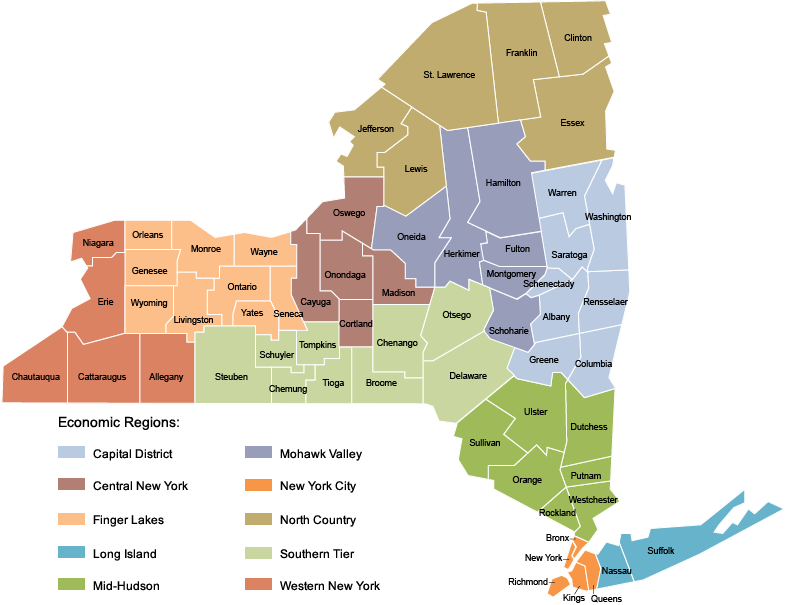
Regions Map
X
Caroga Arts Collective
Caroga Arts Collective is a 501(c)(3) nonprofit dedicated to presenting world-class, interdisciplinary arts experiences in the Southern Adirondacks. Through over fifty performances and events annually, Caroga Arts brings together artists across genres to collaborate and engage with diverse audiences.
Based at historic Sherman's Park in Caroga Lake—a cherished cultural gathering place with a rich legacy—Caroga Arts draws inspiration from its setting to create accessible, community-centered artistic and educational experiences. Its signature programs—including the Caroga Lake Music Festival, the Strings Project & Arts Collaborative Education (SPACE) Program, the InterArts Symposium, the Myhil Film Series, and artist residencies—serve as platforms for both artistic excellence and community connection.
Committed to arts education, Caroga Arts offers outreach programs, workshops, masterclasses, and interactive school assemblies that inspire creativity and active participation in students of all ages. By combining a warm, intimate setting with innovative programming, Caroga Arts Collective creates transformative experiences that enrich, educate, and inspire.
Judd Sunshine
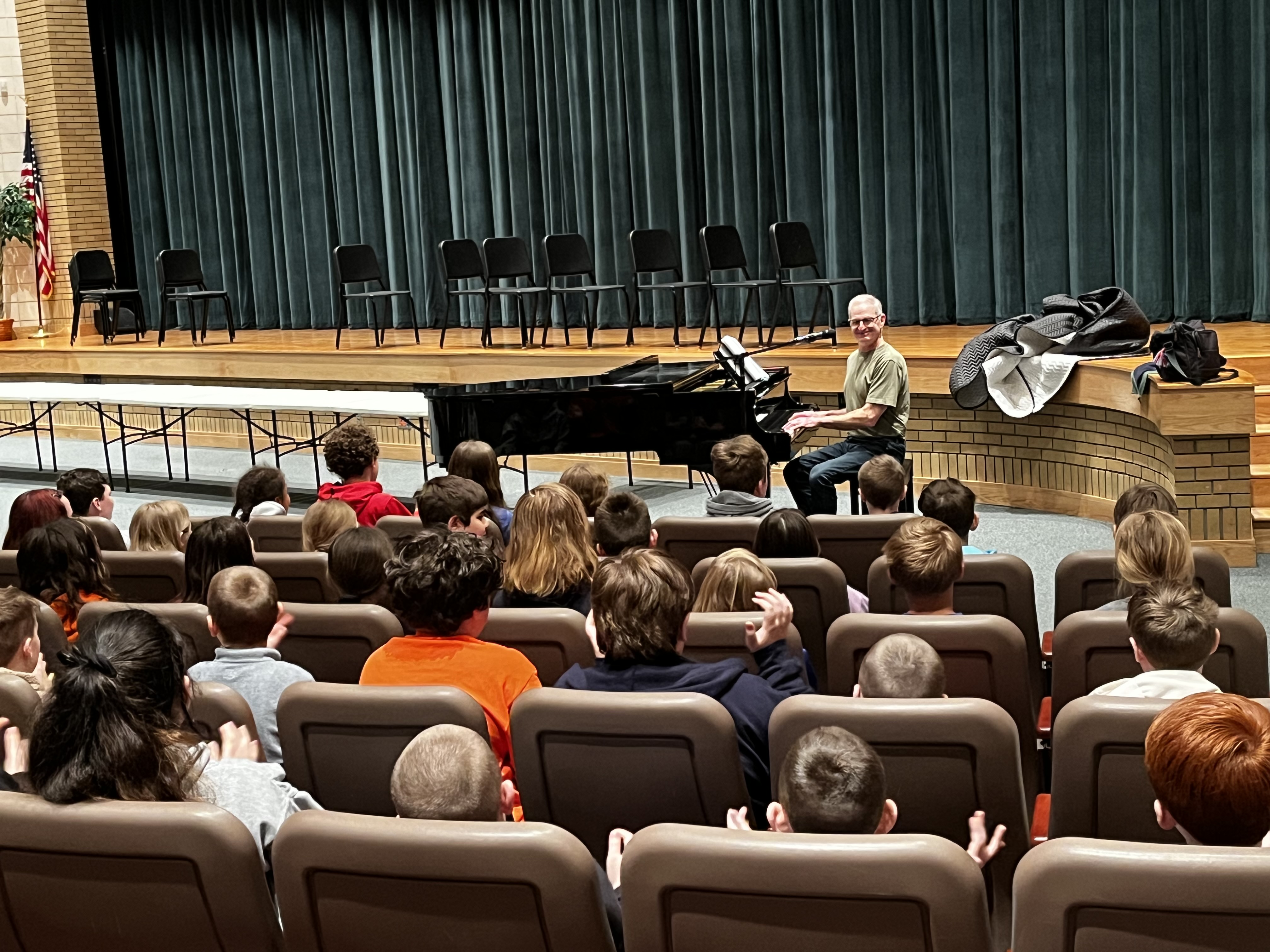
Judd Sunshine – Teaching Artist since 1985
Judd Sunshine began his career as a teaching artist with the renowned school assembly group known as The Hill Brothers. Between 1985 and 2022, The Hill Brothers performed thousands of educational concerts for students all over New York State, Pennsylvania, Ohio, and New Jersey. Following the retirement of his fellow Hill Brothers and Sister Susie Hill, he continues the tradition of presenting quality, theme driven, educational, and entertaining programs as a solo performer. His 5 themed shows are comprised of songs and messages delivered with gentle humor and loads of audience participation:
Anti Bully
Literacy
Character Ed (Respect and responsibility)
Wellness (safe choices!)
Americana and Erie Canal Songs
Judd also offers an Erie Canal Songwriting residency as well as non themed shows just for the pure fun of it (great for the end of the school year or summer programs/camps!)
Look Up to the Stars
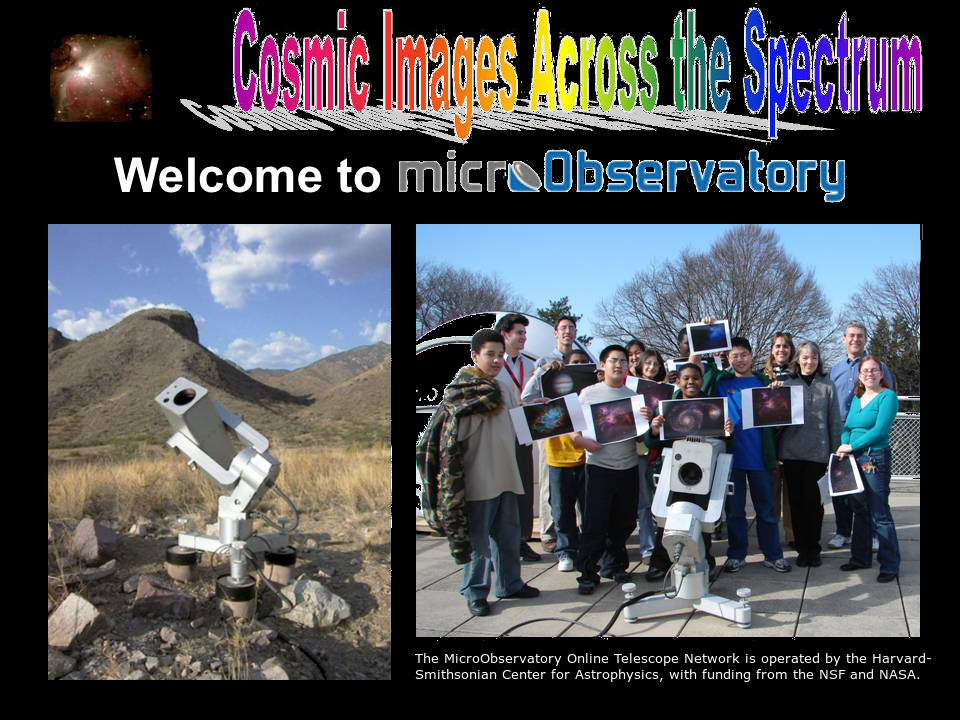
Cosmic Images Across the Spectrum: Teachers of the local district's schools will be given a workshop on how to use Astronomy as an Interdisciplinary Approach to Education.
Training will include the use of NASA's MicroObservatory (MO) taking images and using the image processing software so they can, in turn, teach their students to do the same, and then create thematic units that utilize the talents of students in various disciplines and using alternative assessment strategies such as rubrics and portfolios.
Art students can paint or draw a particular object from MO, Math students pinpoint size & scale, distance and celestial coordinates, English students use creative writing or poetry to describe the object, History, Social Studies and Foreign Language students form a timeline of the U.S. vs. other countries in discovery, impact and understanding of what was happening at the time, such as French influence from Charles Messier, and Science students explore the physics and chemistry data of the object recorded from telescopes and spectroscopy.
Information for each object from all disciplines will be compiled onto a page or "block" and submitted to be added to a "Cosmic Quilt." Color poster-sized printouts of all blocks submitted can be assembled together for the physical Cosmic Quilt and put on display as an exhibit for all to see at the school. All the contributors' names and input will be recognized at the exhibit.
In the Footsteps of History.
In the Footsteps of History is a transformative educational experience that takes students on extraordinary journeys led by renowned modern-day explorers. The culmination of 14 years of dedicated teaching in both public and private schools across the nation, this groundbreaking program, developed by a diverse team of leading educators, professors, writers, award-winning documentary filmmakers, explorers, and world-class game designers, is unlike anything you’ve experienced in the classroom before! Presenting a new way of learning history that ignites curiosity and passion, In the Footsteps of History seamlessly blends live explorer-in-residence programming, with cutting edge technology, investigation, and academic rigor that brings history to life through the excitement of adventure and exploration. (Works on Chromebook, PC or Mac).
Tang Math

-Math enrichment games, programs, professional development for grades K-5.
-Virtual Math conferences and workshops.
-Tang Math site subscriptions and Tangy Tuesdays and Wordy Wednesdays worksheet subscriptions for teachers
-Tang Math Site subscription for teaching resources
Parmesan Pig
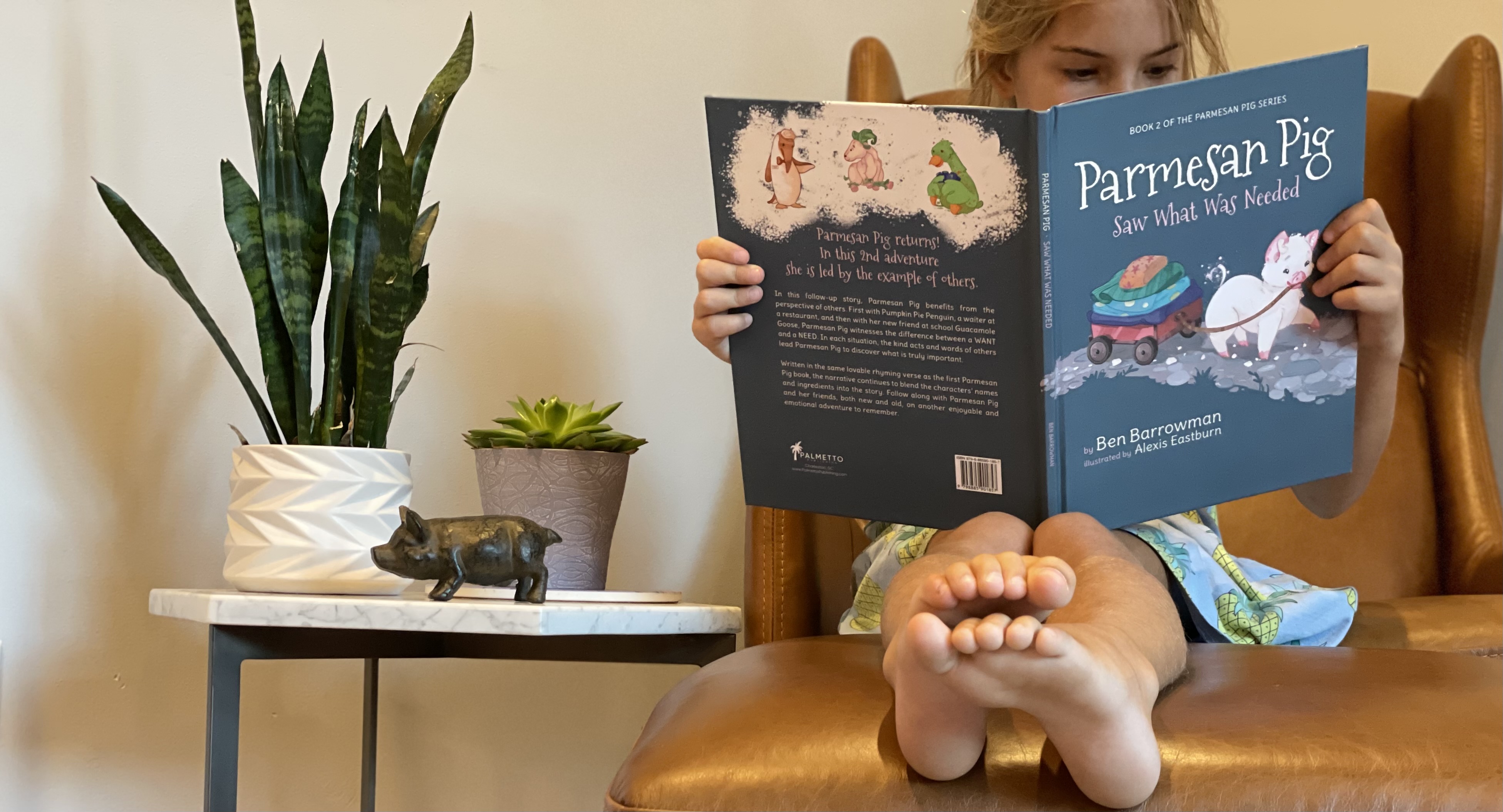
The Parmesan Pig Book Series is a dynamic and engaging children's picture book series designed to inspire imagination, creativity, and a love for reading in young learners. Each book in the series features Parmesan Pig alongside her charmingly named food-animal friends, whose playful and inventive names add an extra layer of fun to their adventures. These stories not only entertain but also introduce important life lessons, such as friendship, problem-solving, and the value of perseverance.
The author visits goes beyond storytelling by offering interactive and follow-up activities. Children/Students engage in character exploration activities, where they experience the creative journey of developing character illustrations—from initial sketches to the final artwork. Each session concludes with the exciting task of inventing new character names that could seamlessly join the series. These activities are designed to enhance literacy, boost creative expression, and build confidence in young readers.
The Parmesan Pig Book Series is ideal for elementary school students and can be tailored to fit various educational settings, including classrooms, libraries, and after-school programs. By bringing these stories to life through interactive sessions, I aim to foster a deeper connection with reading and learning, making the educational experience both enjoyable and impactful.
Key Features:
1) Interactive Storytelling: Bringing the adventures of Parmesan Pig and friends to life through engaging readings and discussions.
2) Creative Interaction: Activities that encourage children to explore their creativity and express themselves.
2) Educational Enrichment: Each session is designed to align with educational standards, promoting literacy, critical thinking, and social-emotional learning.
4) Flexible Format: The program can be adapted to fit the needs of different age groups and educational settings, ensuring a customized experience for each school.
Join Parmesan Pig and her friends on a journey of creativity and learning that will leave a lasting impact on young minds!
Bi-Okoto Drum & Dance Theatre
Bi-Okoto creates performances and educational experiences to help audiences of all ages and backgrounds engage and bridge cultural gaps. We use authentic African culture-based theatre, music, drums, dances, cooking, languages, and clothing to accomplish that.
Our B-FIT classes are classes offered at our center on a weekly basis. They include West African languages (Yoruba, Kiswahili, etc.); Drumming (for kids, and mixed-levels); Dance (for kids, and adult mixed-levels); Drumming (for kids, and adult mixed levels); AfroPop Dance (ages 13 to adults); Cooking (ages 13 to adults)
Images of Africa Summer Camp keep kid 6-12 engaged in activities from our B-FIT classes in. Kids participate in cultural and character-building activities at the center, and they have weekly field trips to various community-based arts activities.
In Tolongo Afterschool program we offer similar contents as in our summer camp programming above, but only available when CPS schools are in session.
E Sin Mi d’Africa (Come with Me to Africa), Residencies is our cornerstone program. This is a cultural and educational arts residency using multi-sensory, multi-disciplinary learning experiences integrated into student's daily academic curriculum that addresses student needs over the course of a nine-month. This is integrated into the schools’ arts curriculum, working with school.
Wa-Zo-Bia Movement & Music Workshop helps students understand math skills, purpose & meaning of the drum and heartbeat, and the communicative language of the drum that mimics different cultural tribes. The workshop compares & illustrates to students the similarities & differences of popular movements & music and how it relates to what is done every day in common situations such as walking.
Ekaabo School Assembly program (West African – with emphasis on Nigeria) We take students on an interactive journey from USA to a handful of West African countries. The richness of African culture is revealed through a broad range of dance and languages. Akwaaba and Tooli, are similar program with emphasis on Ghana and Guinea, respectively.
“Agidigbo” is a monthly gathering that seeks to foster interactions, drumming, dancing, play reading amongst young adults ages 20-40. “Agidigbo” aims at creating a space with a supportive and welcoming environment to YPs, for discussion, learning, socializing, engaging, and networking opportunities; To further attract and retain/hire Young Professional to the community.
HeartBeat Drum Circle- this event is a quarterly event that seeks to foster connection and positive interactions amongst our patrons/community for healing, fun or for music enthusiasts with percussive instruments who come to share and learn.
Three Annual stage productions (selections from Igbeyawo, Yemoja, Irin Ajo, etc…) Each production is written to expose the “western” culture to traditional, contemporary, or comedic African theatre which includes a narrating character, live music, songs, dance and students from the adult & children’s classes.
Okoto-Kekere (2nd Company) - is designed and tailored to nurture young and budding creatives who are seeking to pursue a career in Afrocentric theater Arts. We pair the youths up with our professional TPAs to provide them with firsthand training and experimental learning opportunities in a holistic way – learning it all, from scripting, backstage management, acting, tech booth management, lighting etc.
All our programs are carefully engineered to be in alignment with our mission.
Hugos Art
My offerings include:
- Hands-on visual arts workshops tailored to grade levels, focusing on foundational skills in drawing, painting, mixed media, composition, and creative problem-solving.
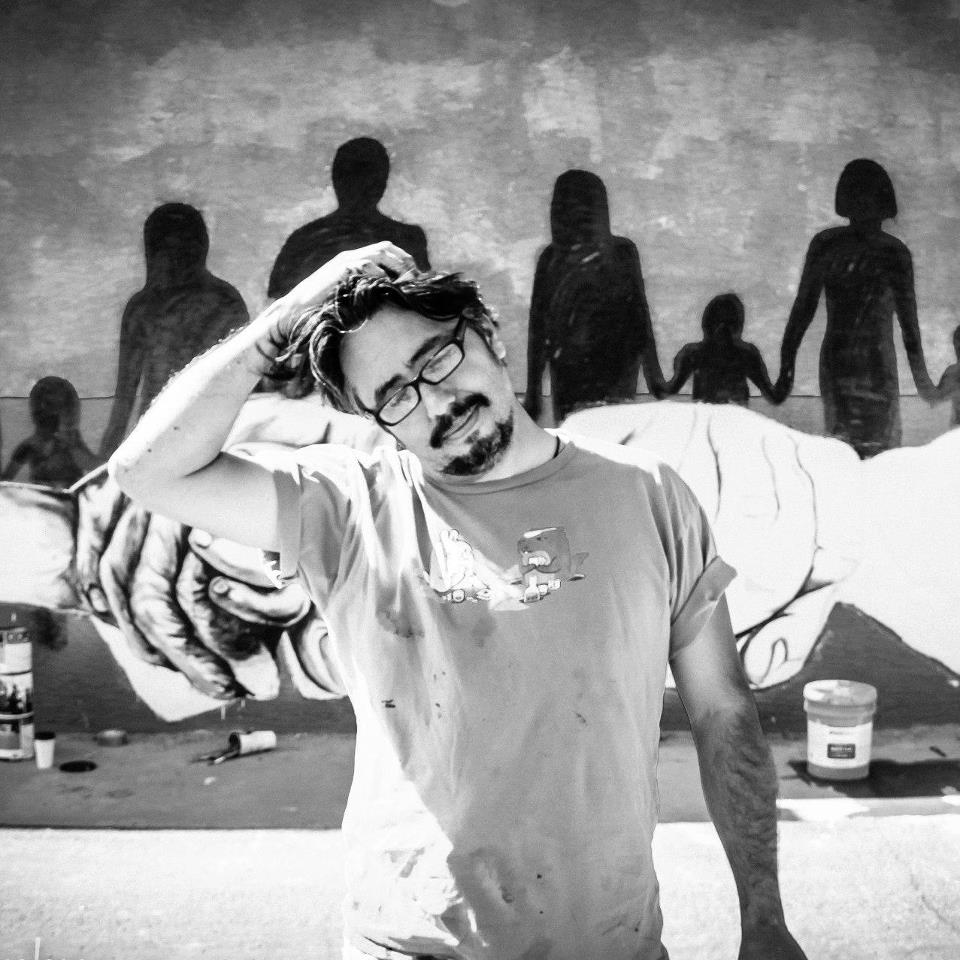
- Project-based residencies that engage students in artmaking, collaborative mural design, and comprehensive documentation from concept to completion.
- Arts integration modules aligned with New York State Learning Standards to enhance classroom instruction and foster deeper engagement.
- Professional development for educators on arts integration strategies and creative process facilitation to strengthen their capacity for maintaining arts-rich learning environments.
- Flexible delivery formats, including in-class workshops, multi-session residencies, assemblies, and virtual sessions.
My approach promotes student expression, creative confidence, and cultural awareness by connecting studio practice with academic inquiry. I am committed to equitable access to arts education and assisting schools in enriching their curricula through meaningful, student-centered artistic experiences.
Uncle Sam’s Comedy Jam
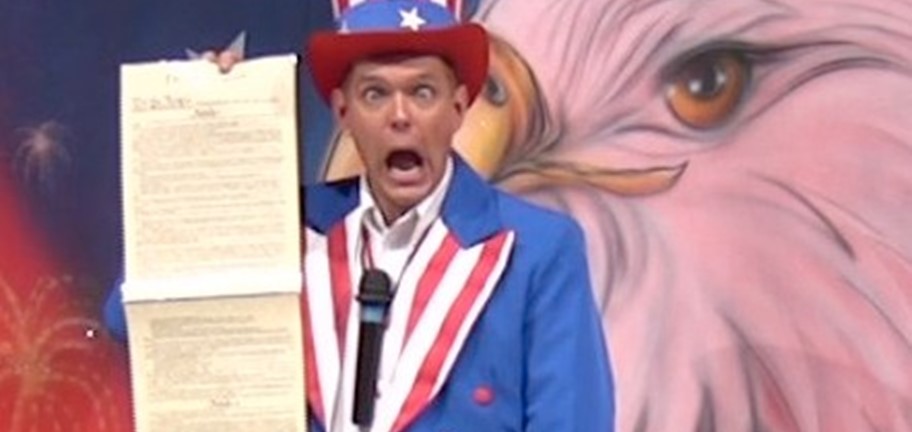
Get Patriotic with Democratic Values. Uncle Sam’s Comedy Jam is a crazy shindig celebrating American Freedom! The Bill of Rights and Constitution will be there, and so will many of our core democratic values. But be warned, this 40-minute show isn’t just a party. It’s a bash! Teachers and students won’t be able to stop laughing as Uncle Sam, with help from the Statue of Liberty and 16 volunteers, teaches the fundamental beliefs that unite all Americans. Kindergarteners through sixth graders learn how America became a free nation during the funniest history lesson ever.
Democratic values have never been this funny! Topics in this patriotic elementary assembly include: Constitutional Government | The Importance of Rules | Separation of Powers | Life, Liberty and the Pursuit of Happiness | Symbols of Freedom | Checks and Balances | The Bill of Rights | Individual Freedoms | Shay’s Rebellion | The 13 Colonies | Common Good | Federalism | Patriotism | Equality | Justice | Declaration of Independence | Amendments and Rules | Democratic Values | The Framers | Articles of Confederation | Three Branches of Government.
Herren Talks
Chris Herren is a former professional basketball player, a voice on the topic of substance use prevention and a wellness advocate. Since 2009, Chris has spoken to over two million students, athletes and community members, sparking honest discussions on the topics of substance use disorder and wellness. A person in long-term recovery, Chris continues to share his story in school communities nationally with a renewed focus on prevention education and challenging audiences to rethink how we look at the disease of addiction – changing the focus from the last day to the first.
STEAM Fund at CFOS
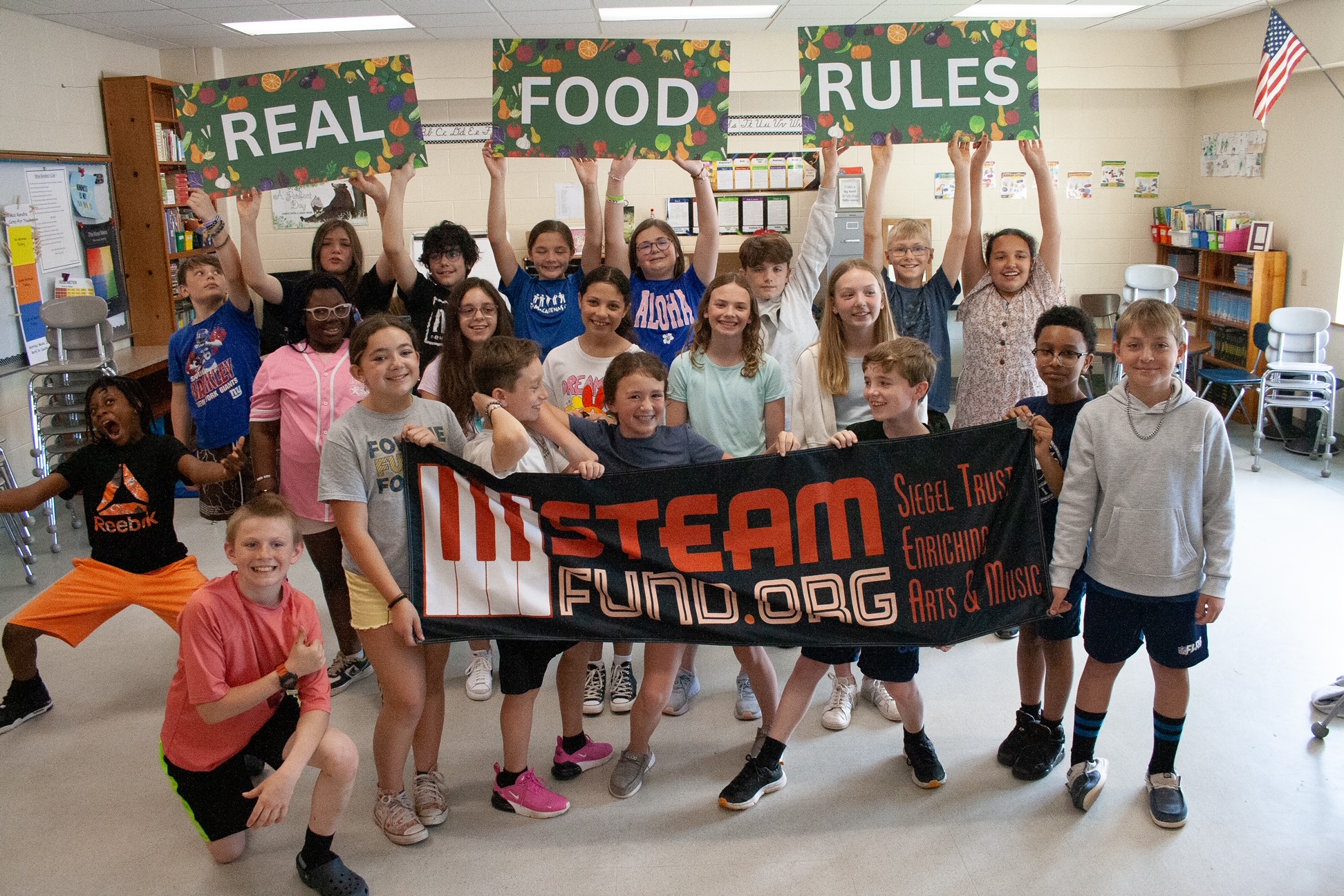
At STEAM Fund (Siegal Trust Enriching Arts & Music) at Community Foundation of Sullivan County, we are dedicated to enriching lives through our diverse Arts In Education programs. Our programs cater to Pre-K, Elementary, Middle & High School children, as well as adults, focusing on essential topics such as Social Emotional Learning, Mindfulness, Health, Anti-Bullying, Coping Strategies, Nutrition, Diversability, and core values like Love, Peace, Equality, Brotherhood, and Sisterhood.
STEAM Fund collaborates closely with public school administrators, principals, teachers, and various organizations to bring these impactful programs to schools and organizations. Our experienced teaching artists ensure the delivery of high-quality programs that resonate with individuals through arts and music.
STEAM offers the following:
ASSEMBLY PROGRAMS:
Mindfulness Matters, Nutrition Mission, Do The Right Thing, The Golden Rule Show, Happy Holidays Around The World, Alive Again
SONGWRITING PROGRAMS:
Theatre Within’ John Lennon Real Love Project, Real Food Rules Song Program, Sing About Learning Program
WORKSHOPS/RESIDENCY PROGRAMS: Mindfulness in Motion, Self Care ABCs for Students
PROFESSIONAL DEVELOPMENT:
Self Care for You & Your Students, Move It Or Lose It, Integrating Care, Music & Motion, Stress Reduction Through Mindfulness & Breathing Exercise
If you are an administrator, educator, or part of the PTA/PTO, contact us today to discover how we can introduce these exceptional programs to your school and community. Let’s work together to inspire, educate, and uplift through the power of Arts in Education.
Altman Science
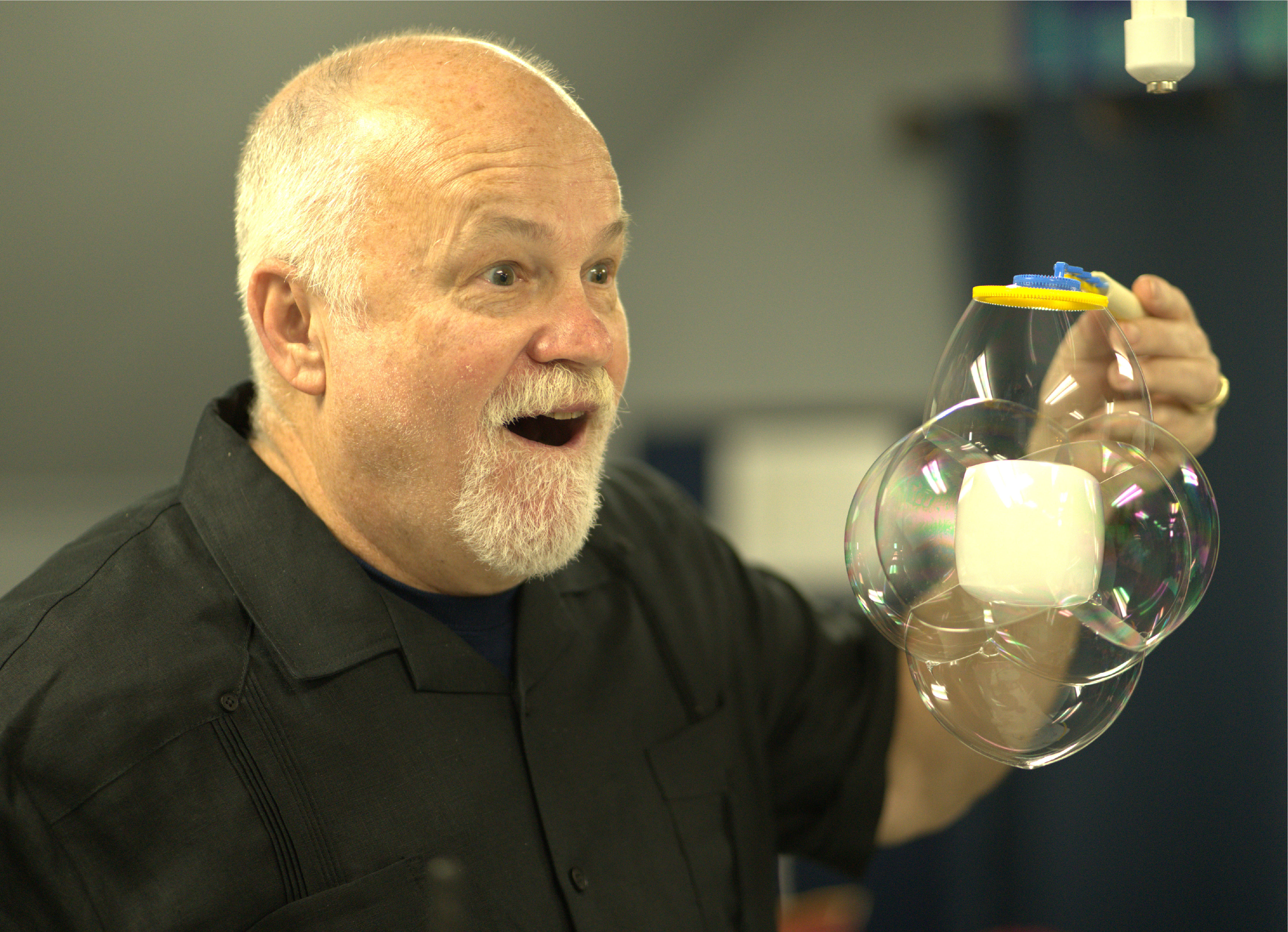
Demonstration based assemblies focusing on the science of soap bubbles, light and color, and the wonder to be found in common situations. Beginning with a simple soap bubble we resist the urge to pop and instead observe as it goes through its four stages. We explain why bubbles form spheres at age appropriate levels and then show how multiple bubbles can create a variety of shapes including a cube. Participants are taught the tricks of bubble artists and in workshops they are given the opportunity to be successful. Altman taught high school physics for 35 years and traveled to science conferences speaking about his award winning programs focusing on lasers and holography. Retired, he as authored four science text books and one on the science of soap bubbles.