Regions Map
X
Story Sprouts Yoga
Story Sprouts Yoga provides story-based yoga programs for schools, libraries, and private events. Our programs cater to a variety of themes, age groups, and preferences. Our goal is to foster inclusivity and create a safe and supportive environment for all participants to practice. Our classes include engaging activities such as breathing exercises, stretching, puppetry, storytelling, music, games, and more...
Robin Hutchinson
Do you have creative projects you have started and not finished, or have so many creative ideas you don't know where to start? Than this course is for you!
Whether your project is a painting series, re-modeling your home, or writing a cookbook, this course is designed to overcome common road blocks to creativity and bring your endeavors to completion.
Through six sessions we will review topics, such as setting up your work space, eliminating distractions, discovering your passions, setting up a work schedule when you can realistically work and complete the project.
This course is for anyone who has creative or project ideas but struggle with seeing them come to completion. Also, anyone who is seeking support, accountability, systems, and motivation for their creative work.
Justin Kolb
Middle/High School
Why Music Students Excel
Motivational Clinic for Band, Youth Orchestra and Chorus
(Also appropriate for Theatre Kids.)
Program Description
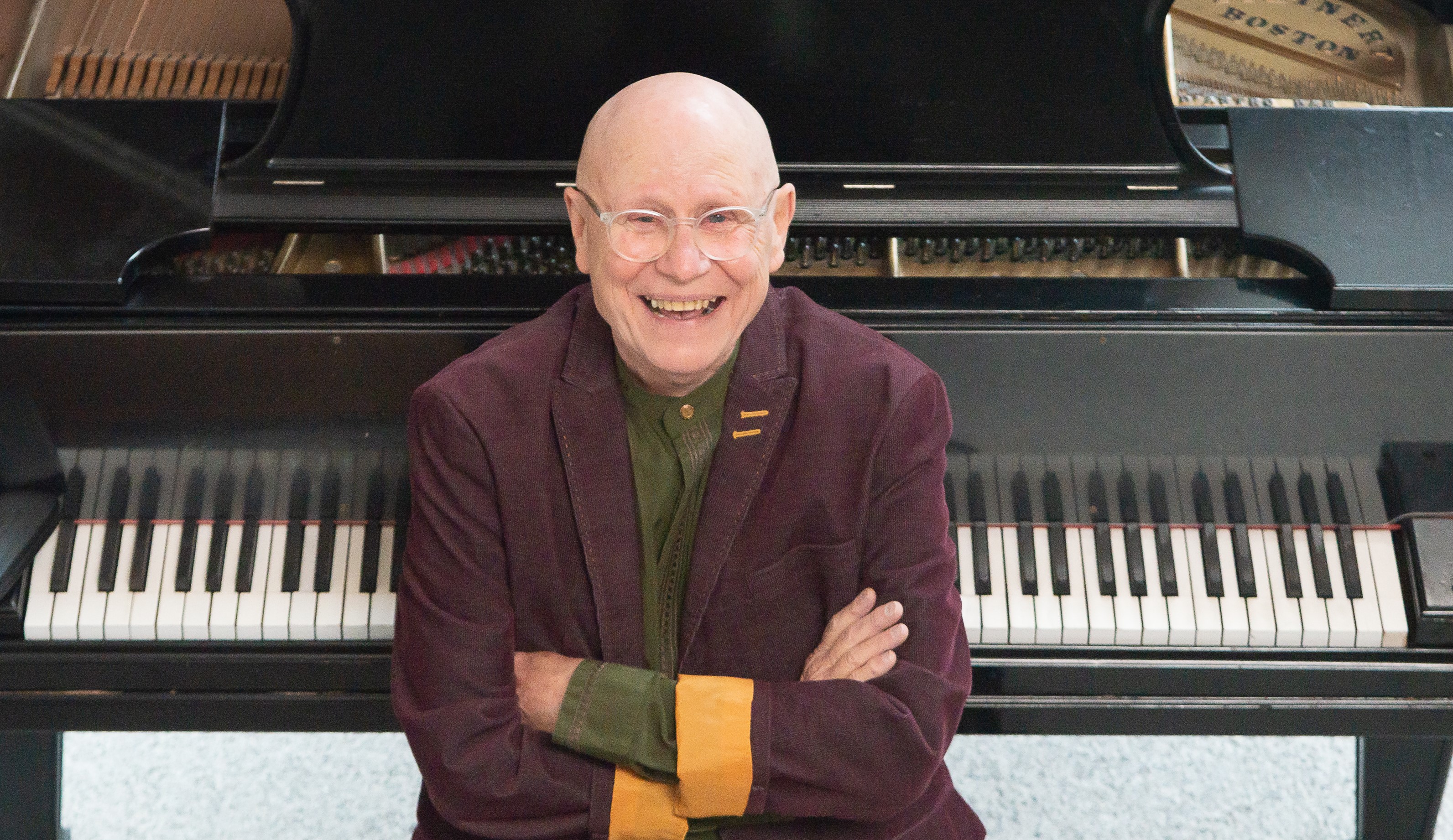
This morale and self-esteem building session begins with a ten minute solo performance by Justin. The performance is intentionally virtuosic, leaving no doubt in the student's mind that the artist is a seasoned professional who has experienced success on stage.
The objective of this learning experience for students is to reinforce what the music faculty has been stressing all along. That is: the student's musical experience and musical education goes well beyond 'blowing a horn'. This experience is about developing life survival skills. Skills that will help the students to become better adept at problem solving, decision making, enjoying a fulfilling life beginning now and into the future.
Justin asks the students to identify skills that they have learned from their musical experience (lessons, practice, or performance) that they have found useful when they are outside the world of music. Skills described by the students typically range from attention to detail and time management, to conflict resolution and ability to accept criticism. At the end of this segment of the session, a list sometimes comprising as many as 24 skills has been articulated by the students. Kolb looks at the students and asks them to seriously contemplate the "skills inventory". Kolb then exclaims, "Look at who you are and what you can do!" He quickly points out that large corporations and even governments invest great amounts of dollars to teach their employees how to acquire these same skills.These sessions are highly informational, uplifting, fun and enhance self esteem. Justin gets along easily with students, parents, staff, and faculty.Willing to tailor sessions to better meet the needs of the students.
Ripping the DIS from disABILITY

A leading motivational speaker and author, I share stories and insights that have enabled me to triumph over cerebral palsy and hearing loss, framing the program around the importance of love, family, and forgiveness in our lives. Though I was in a wheelchair for four years, and can now walk pretty well, the journey has not been easy. Though physically bullied in school and rather than respond in anger, I chose to forgive and help the bullies! A positive attitude can help us celebrate our unique gifts while kindness and respect can help those gifts be revealed. Each program culminates in a powerful documentary video to demonstrate, by example, that we should always focus on our abilities. As a former special needs kid, I describe how optimism and confidence allows us to share an important life philosophy using three simple words: Yes I Can! Which is precisely the title of my published book, helping teen readers and parents overcome self-doubt when faced with tremendous challenges.
DETAILS FOR GRADE SCHOOLS:
Shorter 35-minute presentation for grades K-2 (focused on disability awareness, character education, kindness and respect, and the qualities of a superhero) followed by a longer 60-minute presentation for grades 3-5 (focused on anti-bullying, leadership, and resilience). Two assemblies maximum per day, preferably before lunch. To help with drive time and share travel expenses from my New Jersey home, I suggest programs at multiple schools on consecutive days. Please email me to establish initial contact, due to my hearing loss, or leave voicemail on my landline. Also open to an introductory Zoom meeting for a "meet-and-greet" and to answer your questions.
ONLINE SPEAKER RESUME: www.JustTheWayYouAre.com/resume
Airigami
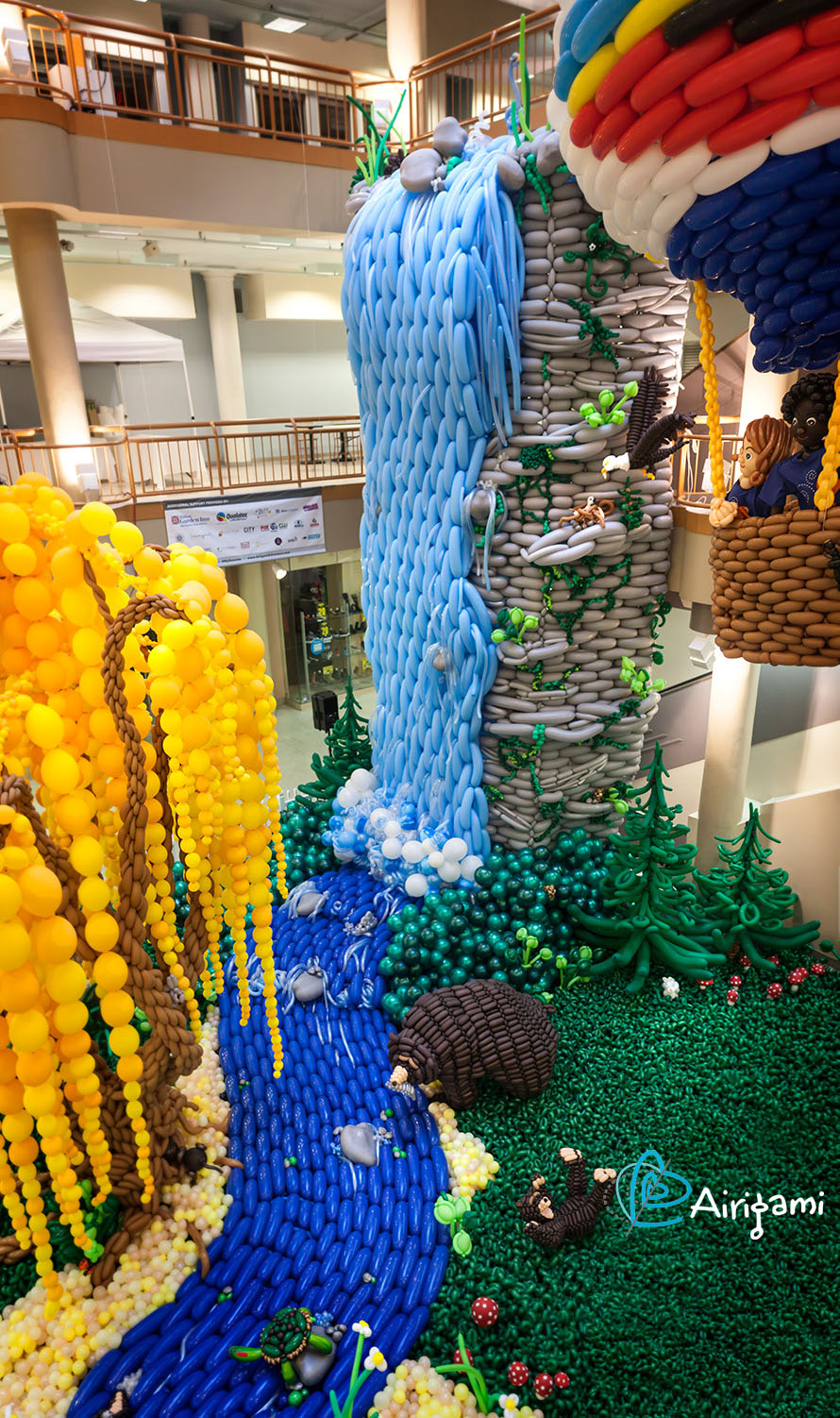
Airigami is, at its heart, a team of artists who create large-scale installations, illustrations, and experiences entirely out of balloons—from small single sculptures and STEAM programs to stadium-sized, record-breaking installations. The common element in all our work: Attention-grabbing wonder. Our clients come to us for all kinds of projects.
Airigami has built a range of inspiring programs around balloons that’s educational and unforgettable. We’ve worked with organizations of many types all around the world. Our displays can interpret important cultural touchstones like famous masterpieces and historic environments that inspire. Balloon sculptures can invigorate curiosity about familiar subjects. Balloons can even serve as the center of powerful team-building exercises.
* How to Catch a Mouse: Simple Machines at Work
While working on his master’s degree in elementary education, Airigami partner Larry Moss created How to Catch a Mouse as a presentation for grade-schoolers. The response to the first performance was so strong, he developed it for larger audiences. The show combines math, science, art and fun. Balloons are used to construct a Rube Goldberg-style mousetrap intended to solve the problem of a mouse on the loose. Student volunteers are invited to participate in building the working machine. It’s a dynamic way to teach kids how machines work and inspire them to eagerly set the trap in motion for themselves. The show is ideal for elementary school assembly programs and children’s museums.
* Bubble Mural™
Designed by the experts at Airigami, this hands-on exhibit engages visitors in a collaborative project that offers maximum impact with minimal mess. Participants work together to construct a 2-D installation made entirely of biodegradable latex balloons.
* Team Building
Airigami’s Team Building program is designed to foster cooperation among participants—rather than competition. And the best part is, everyone who joins in starts at the same level: square one.
Ken Waldman
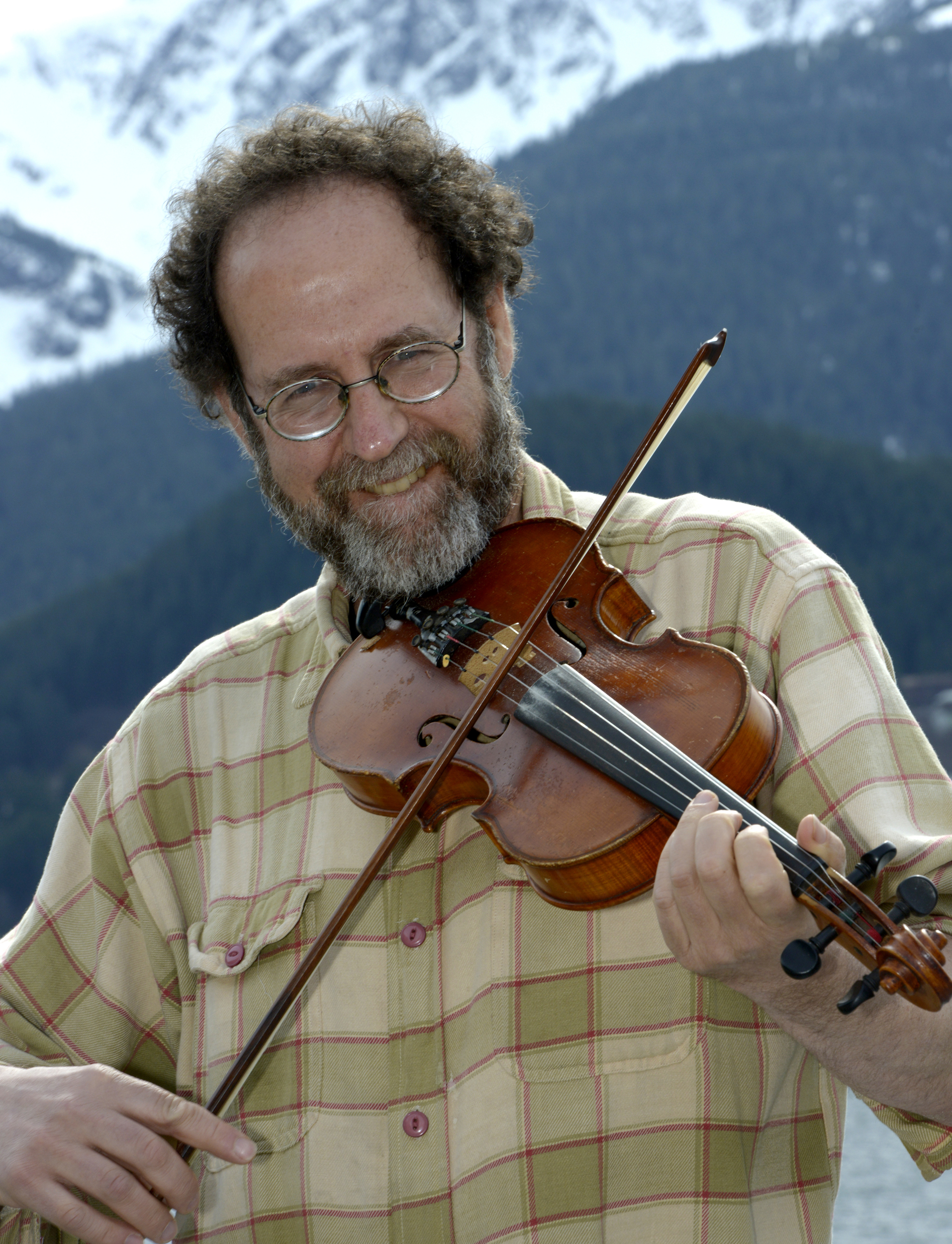
A former college professor with an MFA in Creative Writing, Ken Waldman combines Appalachian-style string-band music, original poetry, and smart storyteller for an experience unique to him. He's been a visiting writer at over 100 colleges, and has been a visiting artist at over 250 schools in 35 states, and works with kindergartners, at-risk and advance placement high-schoolers, and with all ages in between.
Liberty Science Center
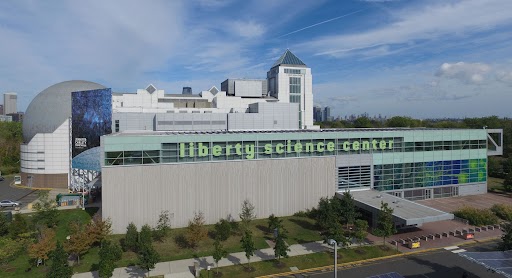
STEM education has never been more important, and Liberty Science Center understands educators' needs to teach science and technology in alignment with the newest national standards.
The Science Center is a premier field trip destination and provider of STEM experiences for students, educators, and families. Our STEM education programs can enhance your science instruction with engaging activities online, at LSC, or at your school (within a 60-mile radius). We also offer highly interactive professional development programs for individual educators or groups.
Start planning your fun and engaging day of science learning with Liberty Science Center.
For more information about our offerings call 201.253.1214 or email mmcdonald@lsc.org.
Bring On The Spectrum
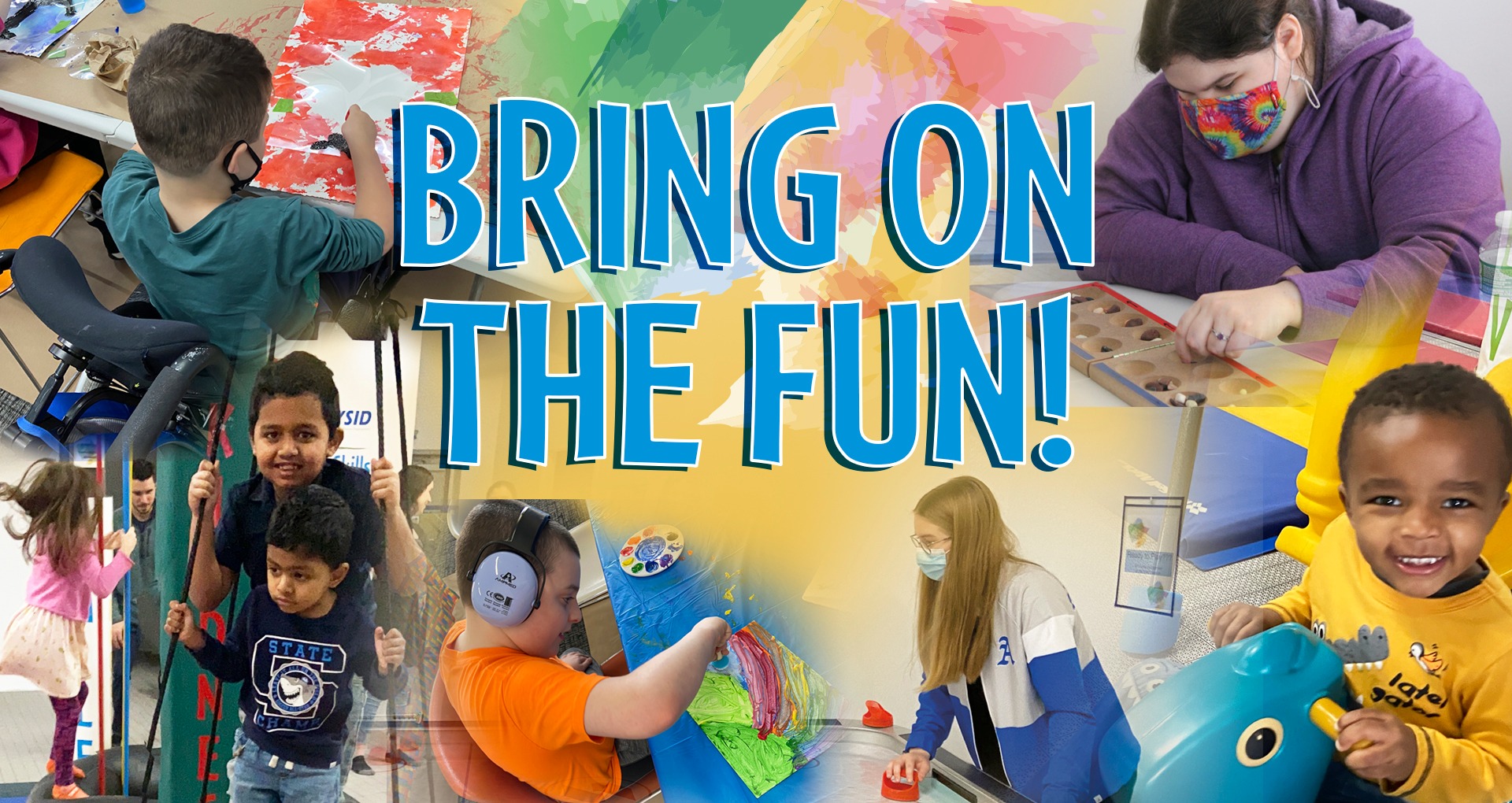
Bring on the Spectrum (BOTS) welcomes friends of ALL ages and abilities to join us for fun activities! BOTS has a 5,000 square foot sensory gym with swings, slides, a quiet room, foosball, air hockey and more. BOTS is also a community space, offering social groups and clubs, such as art, personal training/fitness, Minecraft Club, Lego Club, Tween Scene and Teen Takeover.
Confident Concerts
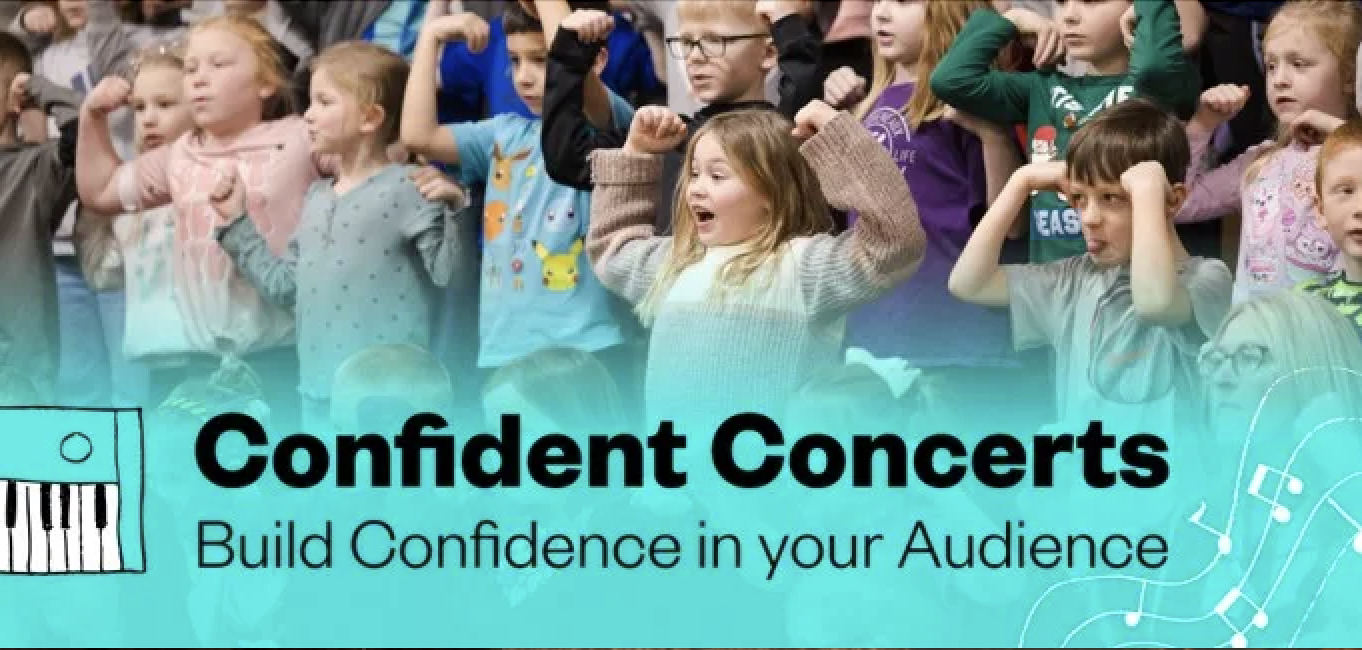
Confident Concerts by Caley Rose
Confident Concerts is an empowering SEL music assembly that blends self-confidence skills, bullying prevention methods, and motivating upbeat songs.
For Elementary Schools
Are you looking for an engaging, interactive assembly that helps your kids achieve their SEL and bullying prevention objectives? Power poses, instrument playing, and affirmations that promote a growth mentality and boost self-esteem are all part of our energetic musical performance.We provide kids lots of chances to become involved! Make a lasting impression while letting their wiggles out with music, movement, and purposeful learning.
Confident Concerts helps create a community of Upstanders with our elementary school assembly and keep them involved throughout the entire process to cultivate a culture of compassion and perseverance at your school. Through music, dance, and thinking techniques, we meet students where they are and assist them in regaining their confidence following bullying and avoiding recurrence. In order to develop resilience, students learn how to normalize unpleasant ideas, reframe self-talk, and acquire mental health tools. We have seen even the most “hard-to-reach” students embrace their peers, initiate a movement, and cultivate a sense of community.
For Middle/High Schools
Do you need an assembly that will truly connect with middle and high school kids and hold their attention throughout? Through music, dance, and thinking techniques, Confident Concerts meets students where they are and assist them in regaining their confidence following bullying and avoiding recurrence. In order to develop resilience, students learn how to normalize unpleasant ideas, reframe self-talk, and acquire mental health tools. We have seen even the most “hard-to-reach” students embrace their peers, initiate a movement, and cultivate a sense of community.
Caley Rose is a Billboard-charting singer and songwriter who has been featured in Forbes, NPR, Authority Magazine, ABC, FOX, Top 40 radio, commercials & more. After being bullied in middle school, Caley dedicated her life to finding her own self-confidence and to empowering students and women to discover their own by using the power of music. She has received awards and grants for her work in music and education and co-designed Music with a Message with leading teen and child psychologists. To date, she has uplifted and empowered over 4,000 students across the US!
Optional Add-ons:
In-class materials for teachers to teach the WOW Principles to self-confidence pre-assembly
Lyric & Chord Sheets to learn the MWM music before the assembly
Take home worksheets
PowerPoint presentation
Breakout groups
Theodore Roosevelt Inaugural Site
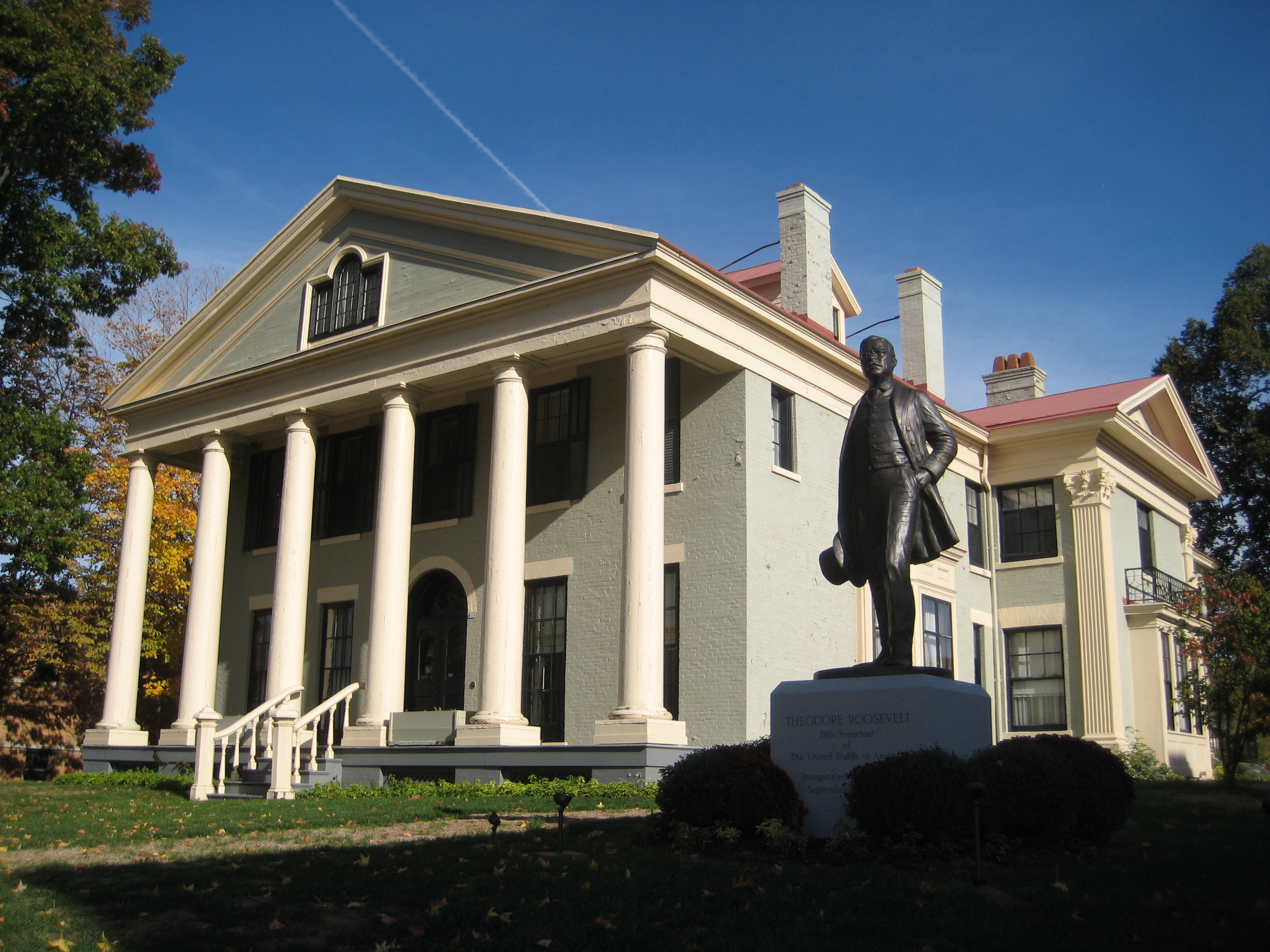
Step back in time to one of the most pivotal moments in our nation's history through a powerful experience of sight, sound and interaction-one that's sure to engage, enlighten and entertain all ages. Learn of how and why Theodore Roosevelt was inaugurated as the nation's 26th President in Buffalo, NY in 1901, and how TR's presidency affected the course of the nation.
miSci Museum of Innovation & Science
The Museum of Innovation and Science (miSci) offers a variety of engaging STEAM (Science, Technology, Engineering, Arts and Math) programs as field trip experiences, virtually, or in-person (off-site) at your location. Each program features a miSci science communicator performing demonstrations and guiding hands-on experiments designed to excite and inform learners.
We offer classes in Earth Science, Chemistry, Physical Science, Space, Engineering, Life Science. Our in person outreach classes are 45 minutes long, for up to 25 students in one session. We also have the capability to do the outreach classes as virtual classes in all these subjects. miSci has a Starlab (portable planetarium) that we can bring to a school, or area building to do up to 5 - thirty minute shows in one day. We also have star parties for naked eye viewing, weather permitting. We offer field trips which include a class, a planetarium show and time in the museum to explore. With suggestions from teachers we can adjust the topics in a planetarium show or for a different class topic if we are given a 3 week notice to make the adjustments.
Herschell Carrousel Factory Museum
The Herschell Carrousel Factory Museum educational programs offer unique experiences, including our perforator machine that creates band organ rolls (one of the first forms of coding!) and viewing simple machines at work. In 2016, the Carrousel Museum received the Excellence in Collaboration Award from the Erie County Association of School Boards for our “T-NT (Tonawanda – North Tonawanda) STEAM is Dynamite!” program. Join us for fun, interactive tours, and brand new workshops in our Education Center. Students will have the opportunity to participate in hands on learning and see practical applications of their curriculum. Our exhibits offer the opportunity to ride a 1916 Herschell Carrousel, and tour the factory where it was originally constructed! Additionally, our programs can come to you in person or virtually.