Regions Map
X
Box Out Bullying
Box Out Bullying brings the curtain down on bullying with innovative assemblies aligned with the NYS Dignity Act. Imagine a high-production value presentation packed with cutting-edge, interactive elements that maximize the message's impact! We bring everything needed to deliver a powerful experience, including professional set pieces, sound equipment, and all the resources to keep students engaged.
Age-Appropriate Impact: We understand the evolving challenges students face at different stages. That's why our meticulously tailored assemblies cater to lower level elementary, upper level elementary, middle school, and high school audiences. Age-appropriate content ensures the message resonates, avoids confusion, and empowers students with the specific tools they need to navigate their social landscape.
Box Out Bullying goes beyond the stage. We offer a comprehensive approach to bullying prevention with parent workshops, faculty professional development, and artist-in-residence programs. Contact Box Out Bullying today and let's create a standing ovation for a safe and respectful learning environment!
David Wong
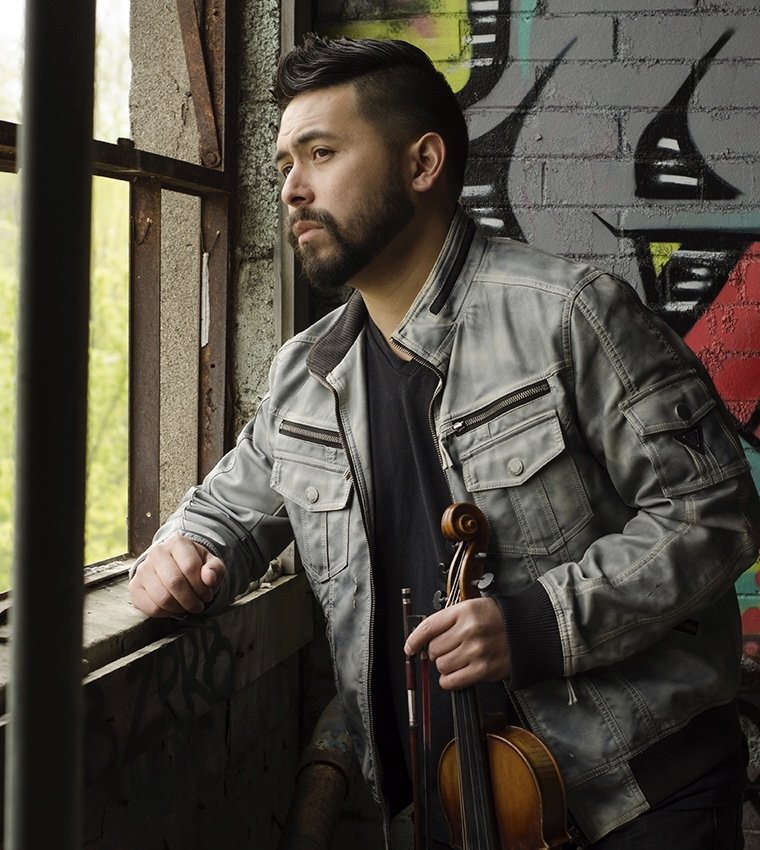
David Wong has been called a “Rock Star” in the violin world. With over 6.7 million YouTube views and 33k subscribers, he’s attracted the attention of people around the world with mentions in Time Magazine, Huffington Post, MSN, Good Morning America and features on YouTube’s Home Page.
He has performed in venues ranging from Carnegie Hall to Hotel Café and collaborated with artists such as The War and Treaty, Cory Wong, and Air Traffic Controller. David is an avid string clinician specializing in live looping, non-traditional techniques, and content creation. He has presented at the Ohio State University String Teachers Workshop, Suzuki Music Columbus, and over 50 public school systems throughout the United States.
As a live looping specialist with his violin, David has taught and performed in many schools across the US to great acclaim. He weaves original arrangements as a "one-man-band," playing the music that students know and love from streaming, movies, and other pop cultural phenomenons.
David's performances and presentations often include:
-introductions to improvising
-live looping explanations and demonstrations
-extended techniques such as chopping (from beginner to advanced), acoustic distortion, and other non-traditional and non-classical sounds
-group layering to build "acoustic backing tracks/loops"
-incorporating technology into music
David graduated from Amherst College in 2008 with a double major in Music and Asian Studies. He currently resides northwest of Albany, NY
Via Aquarium

Via Aquarium is the only full-scale aquarium in the Capital Region. We provide an avenue for students of all ages to explore the natural world from freshwater to saltwater and even terrestrial life with reptiles and amphibians. If your school can't make their way to us, our education team can travel with select animals to provide these experiences within your classroom.
Field Trips - $12 admissions per student, free admissions for staff, $14 admissions for chaperones, $5 for add-on educational programs, and $10/cup of stingray food.
Outreach Programs are $350 for a 60-minute program, $200 for a 30-minute session, and any session after that is discounted. Our travel fee is $0.75 per mile over 30 in both directions (i.e. first 60 miles are excluded in the fee). Programs are available for students in preschool through high school.
Kent Busman
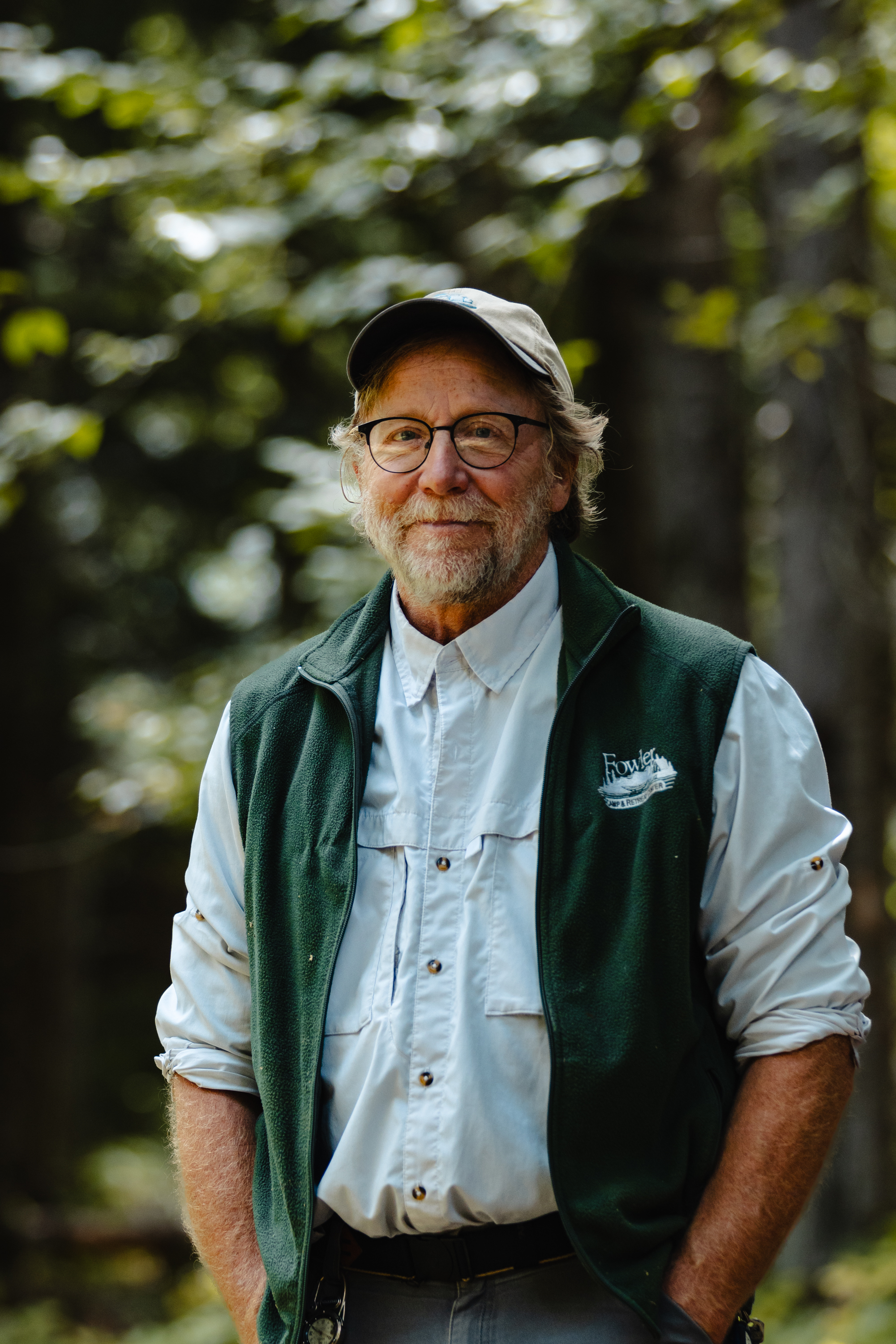
I offer folk & traditional, Adirondack, and personal stories.
My focus tends to be on caring for the world and those human and more-than-human who dwell therein.
Cuentos de Triadas
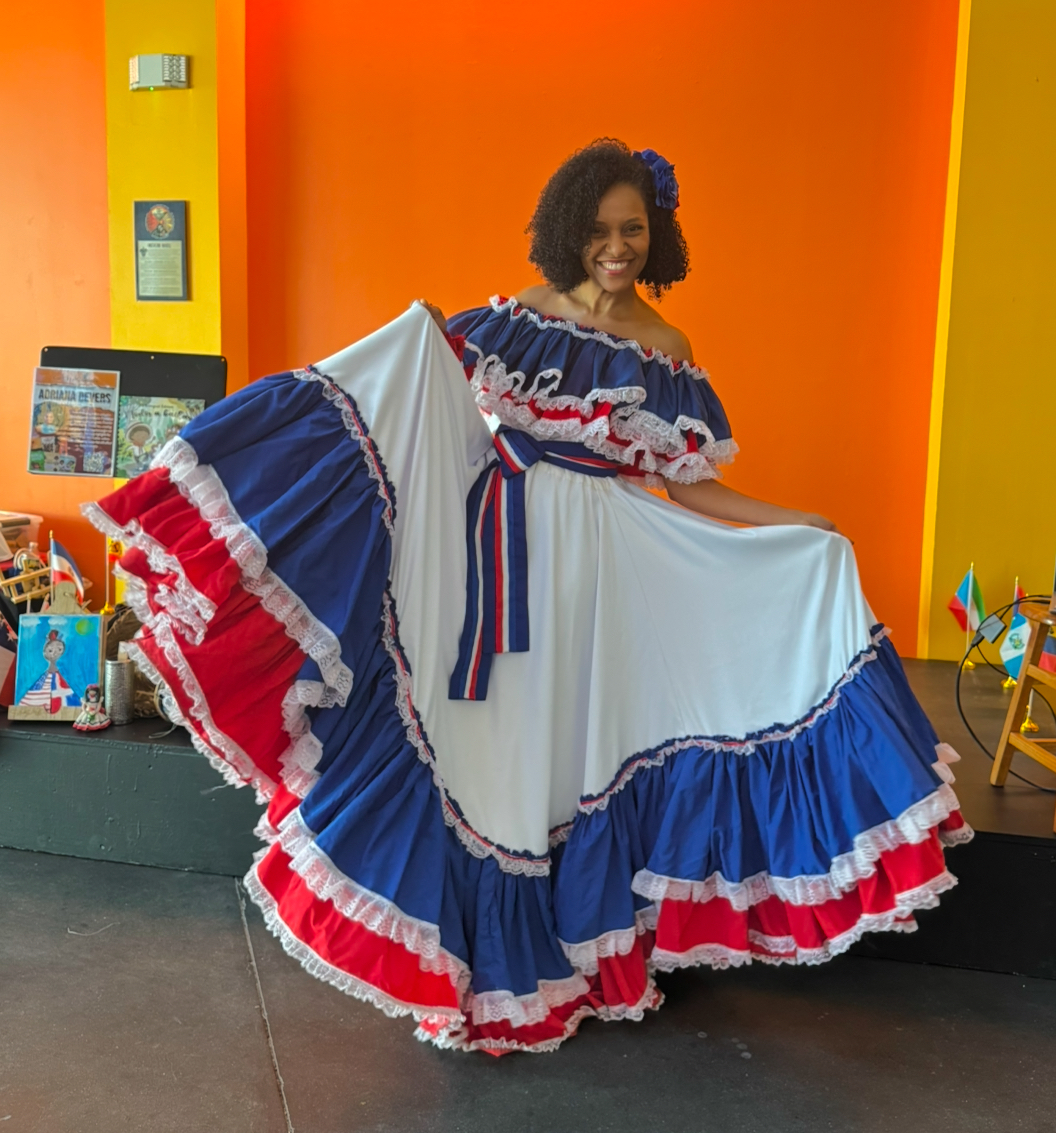
Cuentos de Triadas Inc. offers bilingual, multidisciplinary, author visits, writing workshops, parent and family engagement programs, cultural events, poetry performance, small book fairs and literacy programs. Our programs focus on brining immersive cultural experiences for the youth, showcasing the vibrant Latinx/Afrolatinx culture, incorporating literature, dance and movement, and storytelling. Our original stories are relatable, dynamic and educational, promoting a sense of belonging and cultural pride amongst all participants.
Movie Magic Productions
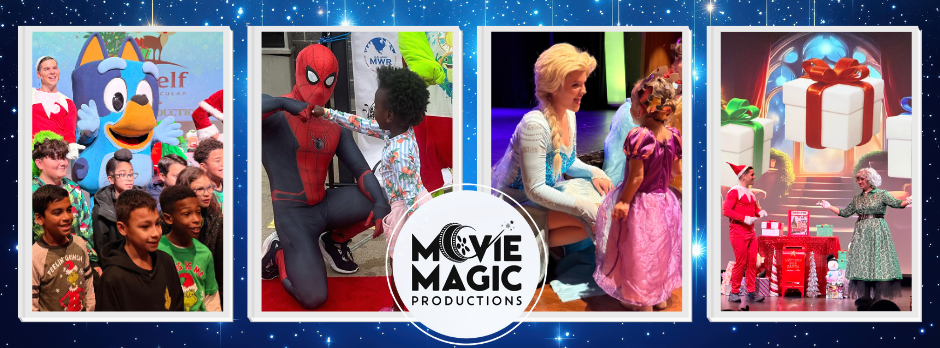
Princesses, Heroes, and holiday shows with themes of anti-bullying and foster cognitive learning for kids in grades K-5.
- **Royal Tea Party Show**: Features favorite royals, teaching grace, intelligence, bravery, and anti-bullying.
- **Hero Training Show**: Focuses on cognitive learning skills, anti-bullying, and strength.
- **Elf on the Shelf Holiday Show**: Perfect for the holidays, includes cognitive learning, anti-bullying themes, and interactive singing and dancing.
- **Gill the Merboy Show**: Based on Tony Ardolino's book, featuring an underwater adventure with puppets, live mermaids, and music, emphasizing problem-solving and anti-bullying.
Flor Bromley
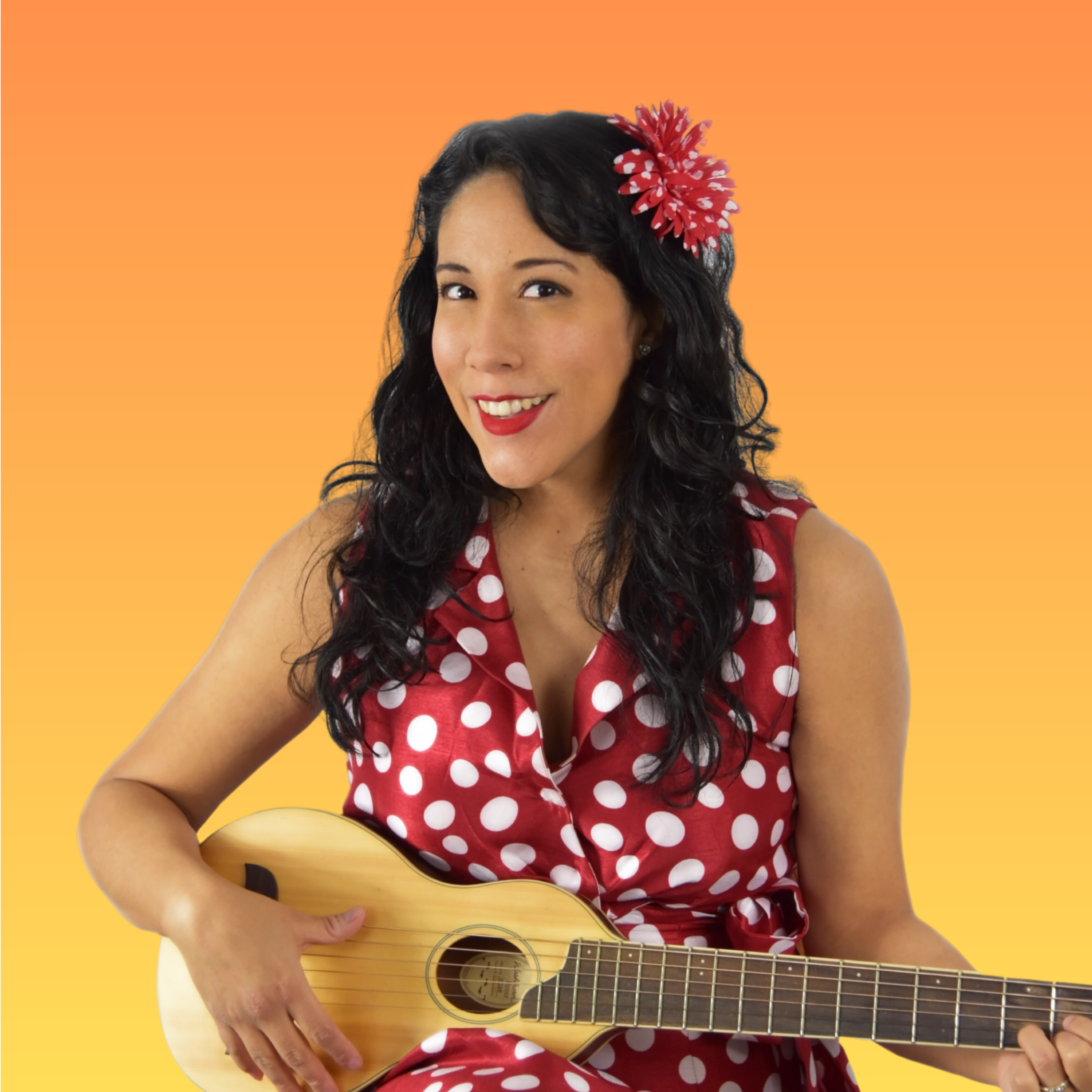
We provide high-quality, interactive live music concerts/performances for children 5-12 years old. FIESTA WITH FLOR is a multicultural musical celebration! Kids and families will join in the fun as they learn about different musical genres through dance, storytelling and songs, traveling with Latin GRAMMY® nominee Flor Bromley to the countries where the rhythms were born. This is not your typical children’s concert, it’s a whole family fiesta!
Paul O. Zelinsky
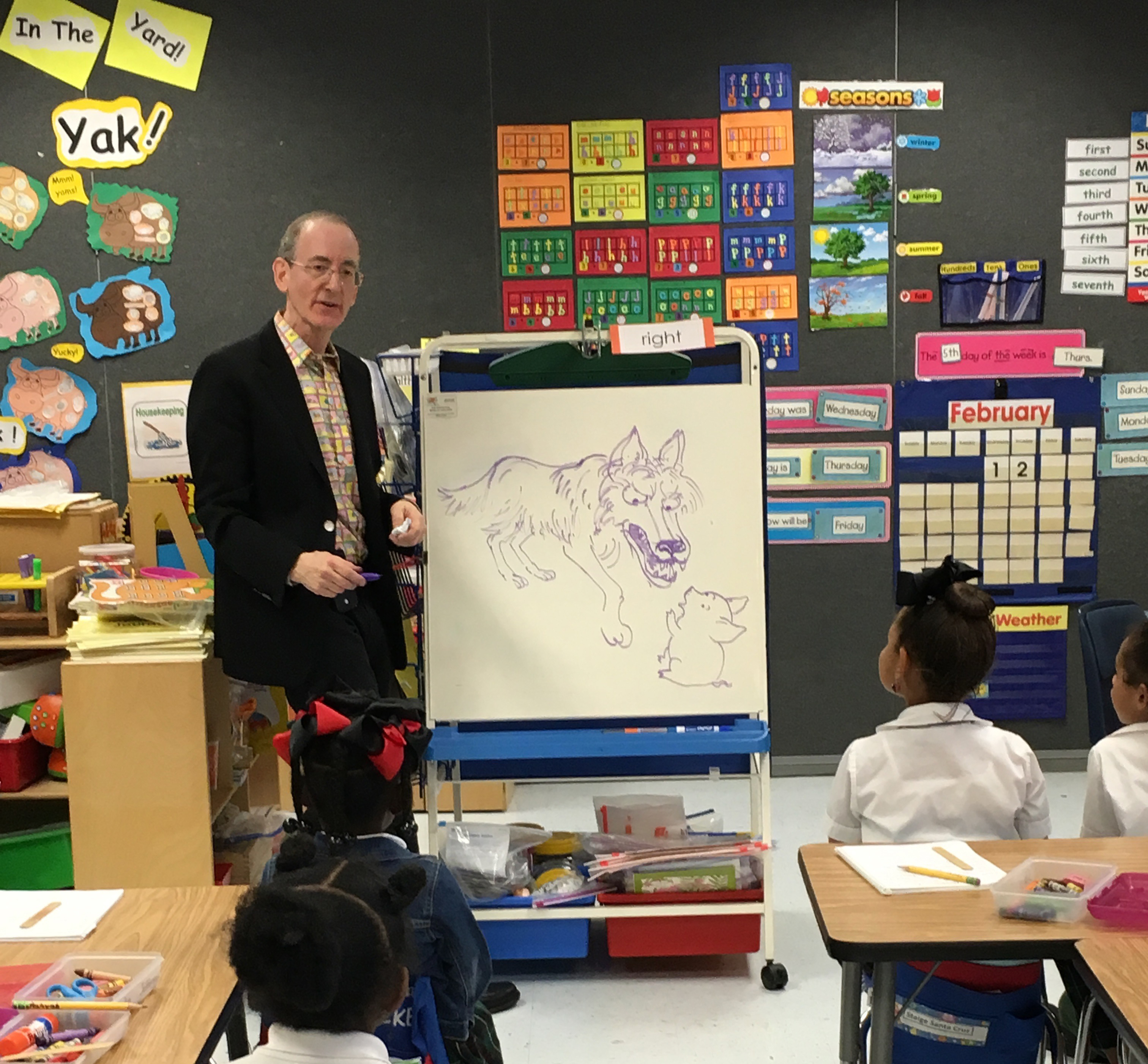
Caldecott medalist Paul O. Zelinsky’s school visits are about making connections: between a story’s key ideas and the artist’s tools he uses to express them; between the characters in a story and the reader, and hugely, his own connection to audiences of schoolchildren. Drawing for and with them, bringing them into his studio with slides and animations, he loves to get across how making books is fun, funny, interesting and an endless opportunity to learn. Many authors and illustrators with long careers and many honors and awards no longer visit schools and classrooms, but this is a connection Paul Zelinsky hopes never to give up.
Paul O. Zelinsky is the creator of the classic moving-parts book THE WHEELS ON THE BUS and the Caldecott-medal-winning RAPUNZEL and its companion RUMPELSTILTSKIN, among others, and the illustrator of numerous notable books including Z is for Moose (written by Kelly Bingham), Dear Mr. Henshaw (Beverly Cleary) and many more.
Arkell Museum
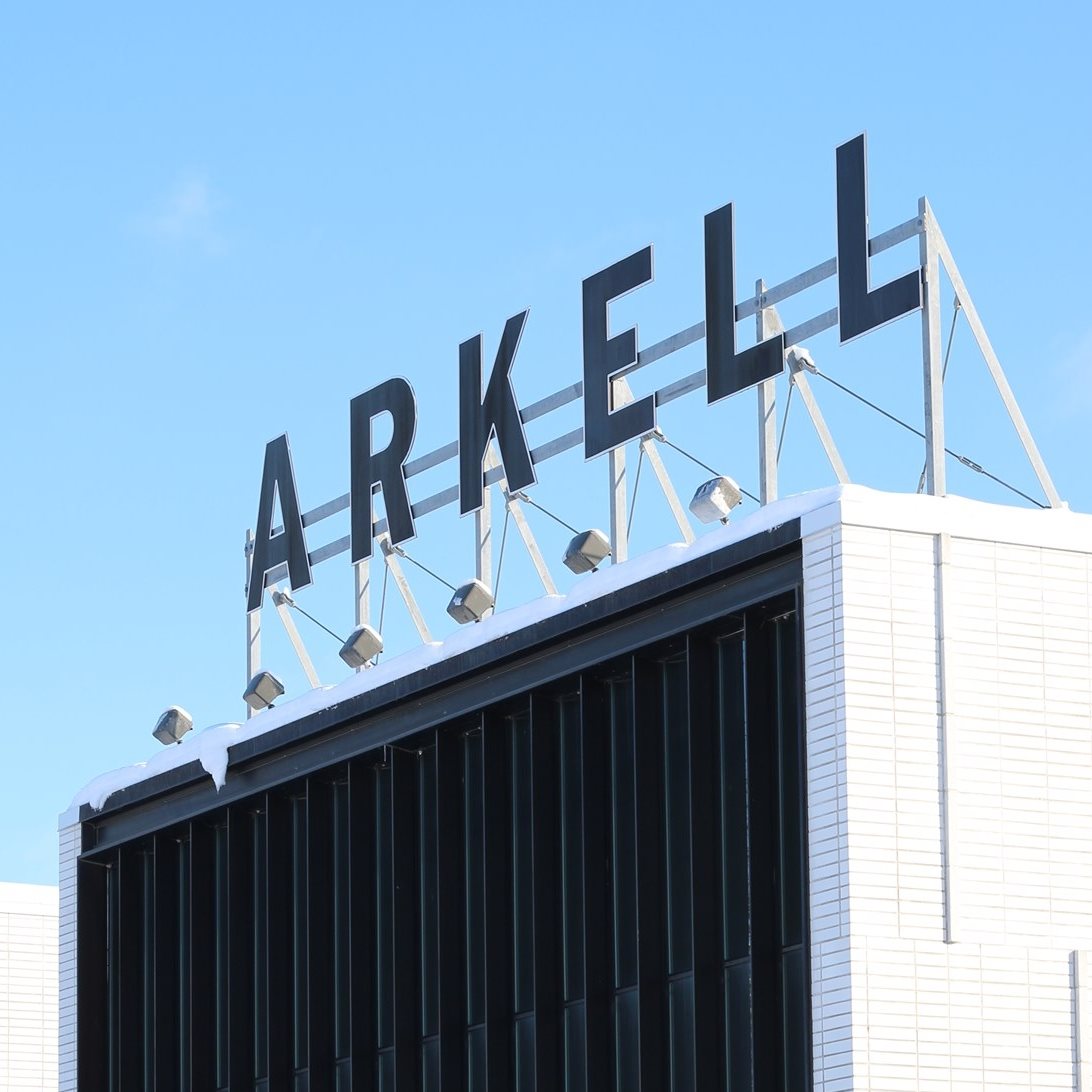
We offer small group or class sized lessons on art history, including American artists Winslow Homer, George Inness, Childe Hassam, and many more. These are 45 minutes and usually include an art making activity. https://www.arkellmuseum.org/school-programs
The Children's Museum of Oswego
CMOO is a non-profit children's museum with 10,000 square feet of hands-on interactive exhibits whose mission is to inspire children to learn, create, discover, and explore through the power of play.
CNY Jazz, Central New York Jazz Arts Foundation
Created to serve school districts, college, libraries, and theaters across Upstate New York, CNY Jazz Management is dedicated to the educational mission of the CNY Jazz Arts Foundation, the region’s primary provider of jazz programming in concert, cabaret, scholastic and festival settings in schools and in public. Our core cultural history shows are available separately or in a group: All That Jazz, a whirlwind history of jazz; Blues Shout, a history of male blues and jazz singers of the 20th Century; Music & Musket, exploring the role of the musician in the Civil War; and Jazz On Demand, unlocking the secrets of songwriting and listening creatively! All programs are narrated and include a vocabulary/teacher’s guide. We also offer full-day or multi-day residencies by all of our large ensembles, with or without national guest soloist/teaching artists, co-designed with you to fit your program needs – clinics, jams, and grand concerts. you may preview all of our shows and watch an overview of our entire arts-in-education service at the video link on our web site. Contact us for more information about presenting any of our offerings in your school!
Brick Headstrong
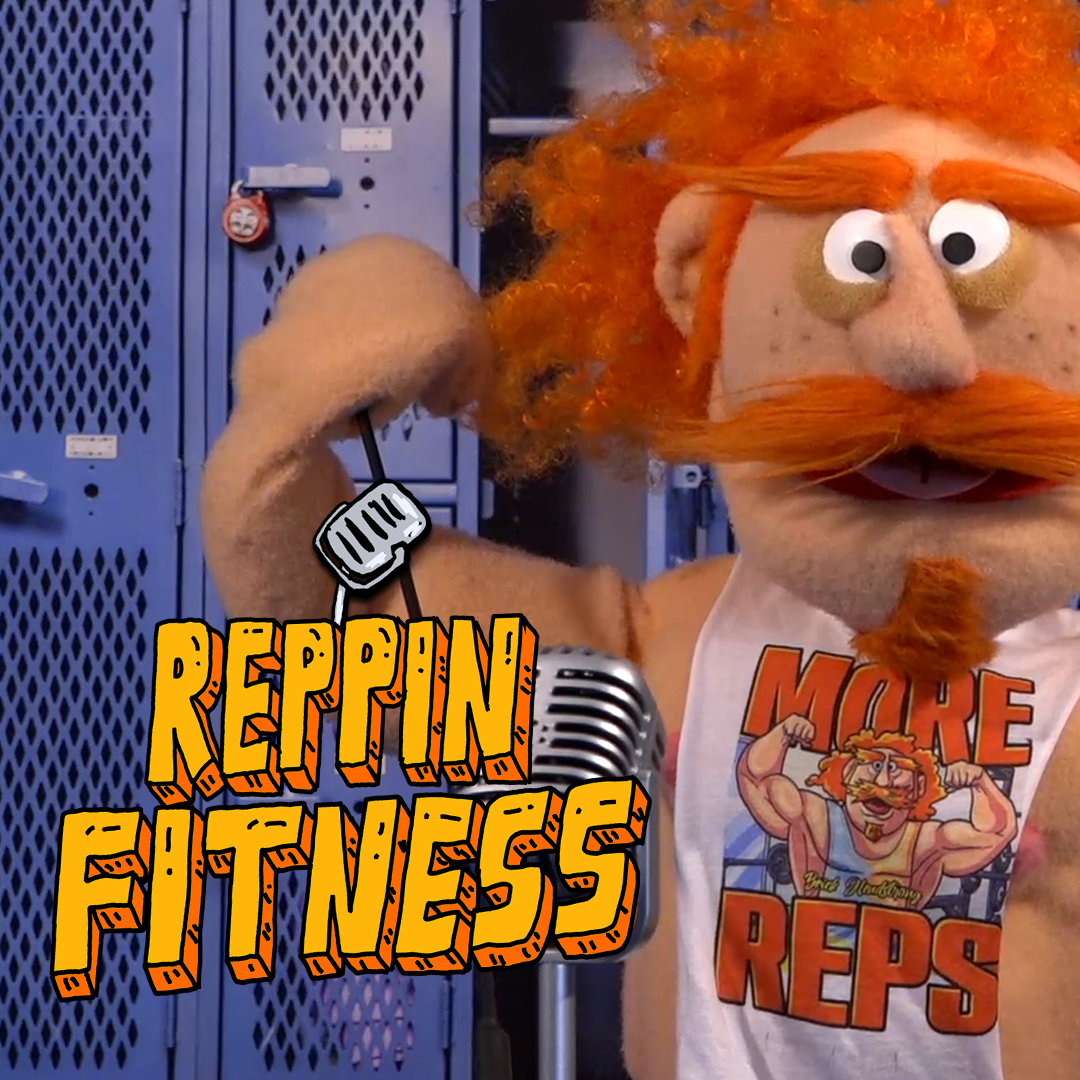
The Reppin Fitness Live Puppet Show brings fitness and fun directly to your students! Brick Headstrong transforms your classroom or event location into an immersive and interactive fitness experience with his entire podcast studio.
This unique show features Brick interviewing a special guest of your choice—whether it's your gym teacher, principal, or star student athlete—ensuring a personalized and memorable performance. With engaging fitness routines, practical healthy living tips, and dynamic content, Brick captivates and educates students, making fitness both fun and informative. Each 30-45 minute show is crafted to keep topics relevant and on point, inspiring kids to embrace a healthy lifestyle.