Regions Map
X
Community Schools Theater & Arts
We offer Theater and Arts Mini Camps where youth learn and develop skills such as acting, singing, dancing, script writing, and other various theatrical skills
Magic Shadows by Catapult

Catapult is a Shadow Illusion performance company. They were propelled into the limelight and into the homes of millions of people around the world as finalists on America’s Got Talent. Heidi Klum and Howard Stern were two of their very first fans and now they’ve added many thousands of fans around the globe, touring the USA, Europe, and Asia with their hit show, Magic Shadows. Their shows are an amalgamation of dance, theater, illusion and storytelling. Their stunning visuals coupled with whimsy, heart and athleticism create a spellbinding show perfect for all ages. Catapult is easy to produce, delightful to work with, and they love to engage with communities and audiences. Catapult is available for corporate and private events to entertain, engage and educate. They've created custom work for a variety of organizations including Girl Scouts, United Way, YMCA, Association of Mental Health Workers and more.
Catapult also offers incredible educational and community outreach for 3rd grade and up, including workshops, residencies, and school shows that can be tied in to school curriculums such as Language Arts, Math, Science, and SEL. School shows are 45-60 minutes and can be structured as a lecture/demonstration, full dance performance, or as a show + Q+A. They offer study guides for Elementary through High School age groups. There are no language barriers with the show, so ESL and hearing-impaired students will enjoy the show the same way other kids do!
Their educational outreach also offers opportunities for students to become a part of the magic themselves and perform live with Catapult during their public performance, either by learning and performing Catapult’s very own “Angel Heart” piece, or by creating a piece of their own during Catapult’s brand new Fantastic Creatures and How to Make Them residency week.
Jack Golden
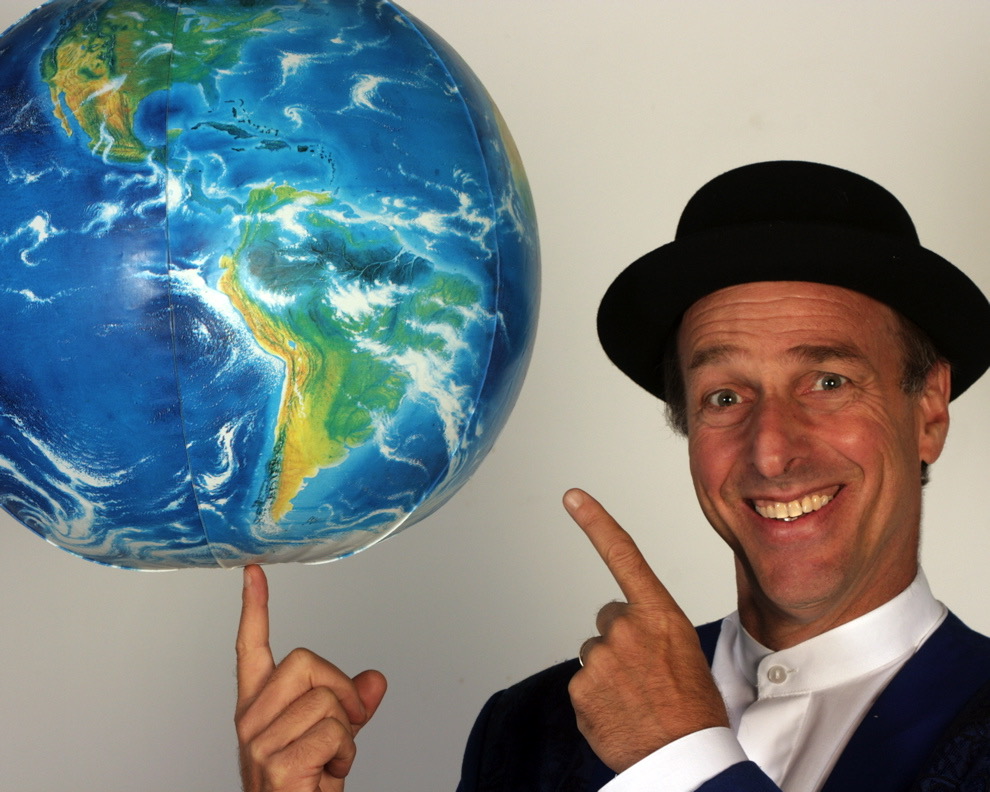
I offer a variety of school assembly programs, including shows about recycling and water conservation. In addition I offer workshops in mime, movement and theater.
Black Girls Don't Get Love

Black Girls Don't Get Love is a book and multimedia coming of age brand for girls of color. Our mission is to use media to turn silence into language and change the way Black women and girls are perceived in society. Our non-Profit arm, Black Girls WILL Get Love, Inc. facilitates all of our philanthropic Programs such as the acclaimed Black Girls Don't Get Love Prom, the Black Girls Don't Get Love Slumber Party, the Black Girls Don't Get Love Outdoor Exploration, the Black Girls Don't Get Love Film Training Program and the black girls don't get love screenwriting workshops and labs. Our programs are a creative and engaging approach to addressing DEI and low literacy rates.
CEPA Gallery

CEPA (Center for Exploratory and Perceptual Art) promotes photographic and related media artists of all levels, supporting the arts community through exhibitions, education, and critical public access to image-making resources. CEPA provides individuals, schools, and nonprofits with workshops, classes, and community spaces that are accessible to all ages, abilities, and incomes.
Didgeridoo Down Under
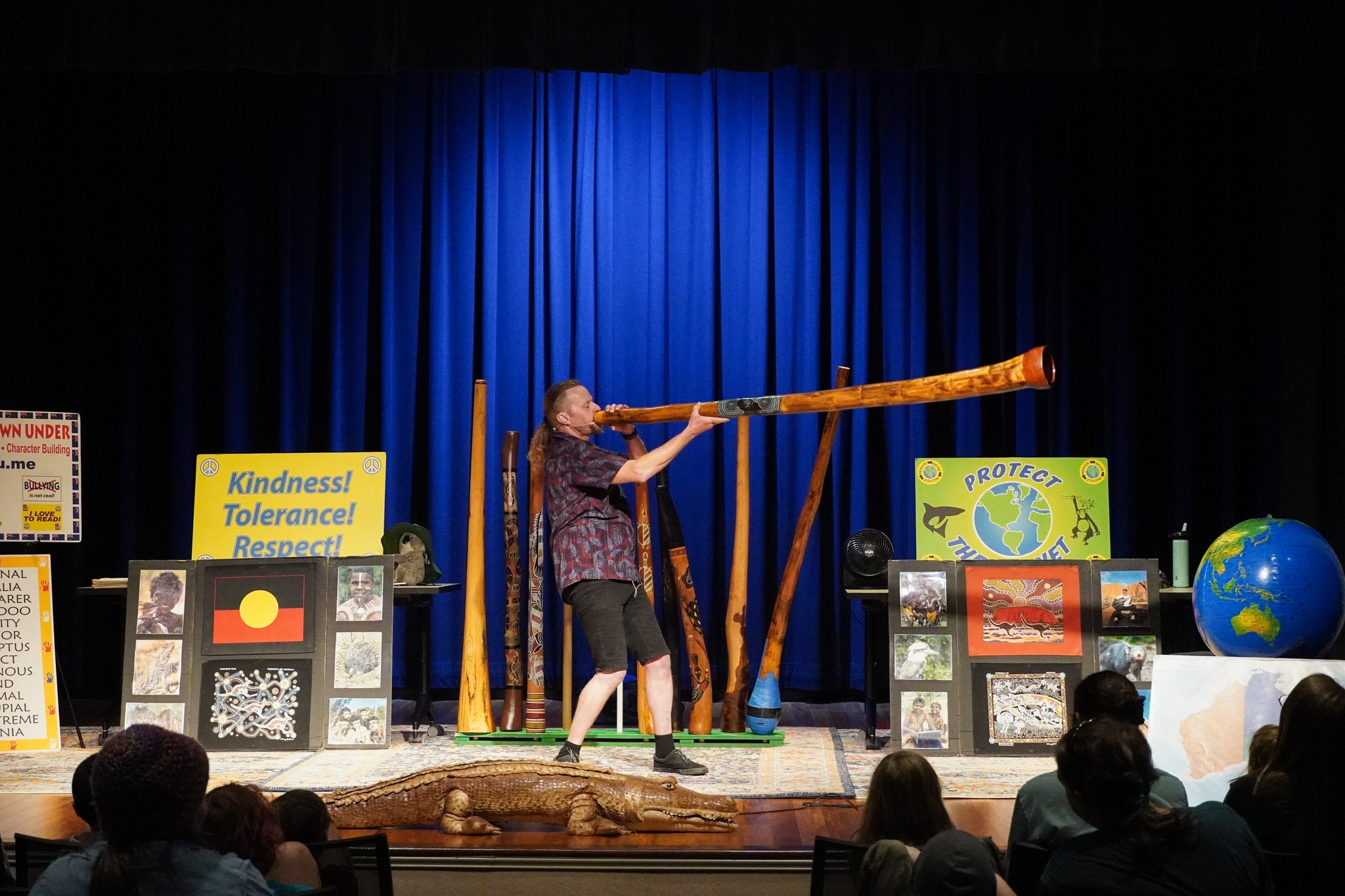
G’day! We weave Australian cultural arts, core curriculum, character building (kindness, acceptance, ant-bullying and more), motivational speaking and audience participation into super-engaging and interactive shows, workshops and residencies.
Since 2003, we've presented 10,000+ programs at schools and other venues nationwide … including all regions of New York ... with countless rave reviews!
Our K-12 programs include …
1) Didgeridoo Down Under Show: Australian Music, Culture, Character Building & More! (PreK-12th)
2) Protect the Planet Show: World Music, Earth Science and Ecological Entertainment! (K-9th)
3) Aussie Funk Jam: Didgeridoo Workshop! (2nd-12th)
4) Didgeridoo Residency: Multi-Day Immersive Didge Experience! (3rd-12th)
5) Adventures of the Wild Wolf: Unleash Your Inner Reader & Author! (K-5th) – virtual only
We adjust our programs according to grade levels and learning objectives.
Please visit www.didgedownunder.com for more info.
Our promotional videos are available at www.didgedownunder.com/gallery.
We’d love to visit your school during our next New York tour!
Misty Yarnall
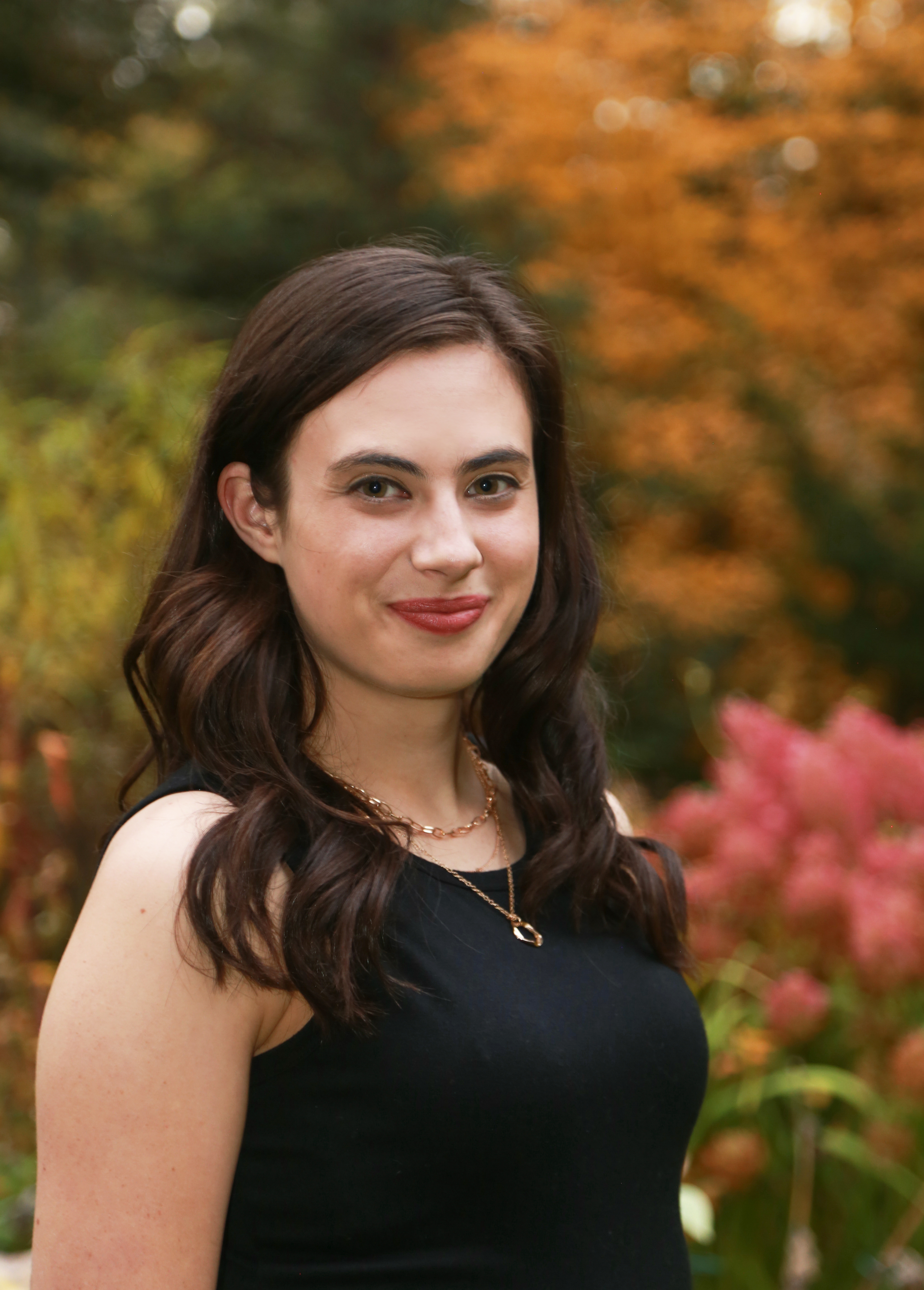
Misty Yarnall is a writer and teaching artist. She actively teaches creative writing and theatre workshops through libraries, homeschool co-ops, and nonprofit organizations. She is passionate about creating brave spaces for people of all ages to share their stories. A few examples of workshops she has led in the past are included below.
World Building 101: Do you love reading adventure books with fantastical settings and magical elements? Have you ever wanted to write a story set in a place you’ve never been? In this workshop, students will master the layout of the land within their stories, no matter what genre. Students will take inspiration from real plants, animals, and cultures, and apply what they've learned to their made-up worlds.
Writing for the Screen: Have you ever wondered how your favorite TV show got to the screen? Want to try your hand at writing a script made for TV? In this workshop, you will learn to write your own screenplay and collaborate on a pilot episode for a TV series. We will generate ideas, learn to use the three-act structure, and operate as if we were in our own TV writers' room.
Playing with Plays: Through movement-based improv games and collaborative writing prompts, students will better understand how plays go from the page to the stage. We will learn about character motivations, use of props, scene structure, and understanding of performance. Students will end the workshop with a new play to showcase.
Guided Journaling: Have you always wanted to start journaling, but aren’t sure where to start? Have you been journaling for a while and want a community to write and share with? In this workshop, participants will complete writing prompts geared towards eliminating the daunting, listy idea of journaling and replace it with interactive, fun activities for all ages and backgrounds. No prior journaling or writing experience necessary!
Lime Hollow Nature Center
Lime Hollow’s field trips offer standards-aligned, hands-on opportunities for students throughout Central NY to connect with the nature world and the concept they are learning in school. Field trips are inter-disciplinary and align with standards across curriculum including science, math, language arts, social studies, and social emotional learning. Each field trip is led by trained environmental educators with the support of the participating school’s teachers and volunteers.
1st Amendment-1st Vote
1st Amendment-1st Vote, Inc is a non-partisan civic engagement opportunity for high school teens who identify as girls to engage in the democratic procress and impagine themselves in elected office or professional government-relations positions. Our VISION: gender parity in US elected offices at local, state and national levels. In 2020, this pathway to government leadership program produced an award-winning short film series: "Virtual Video Visits to 11 Historic Sites Along the Central NY Women's Rights Corridor" highlighting the legacy and way-of-life of Haudenosaunee Clan Mothers.
Richard Celestin Consulting Group
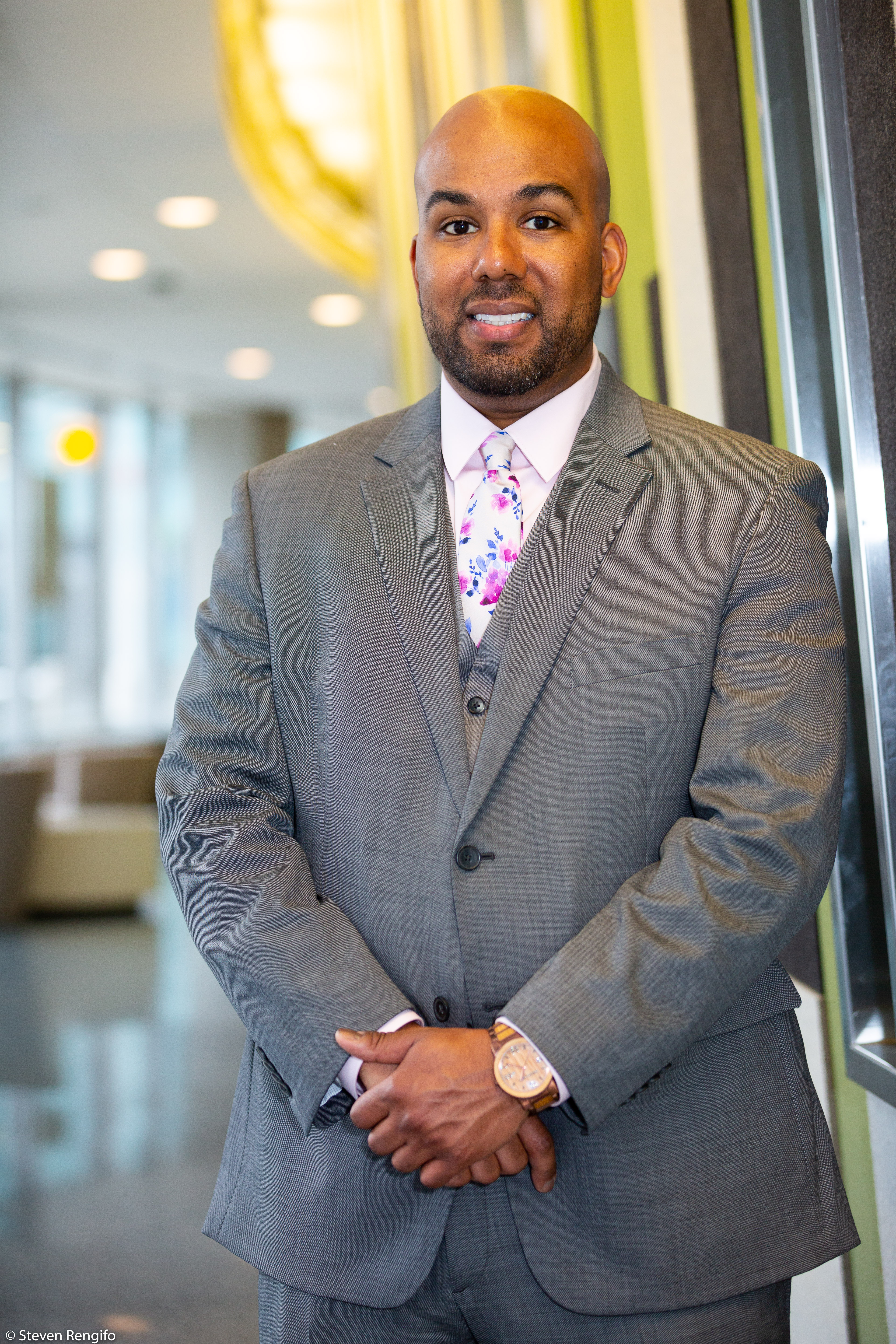
Richard Celestin Consulting Group LLC offers skill development, social-emotional and law-based programming and services to K-12 school communities, including students, parents and teachers. This includes workshops, assemblies, trainings and consulting. The founder, Richard Celestin, Esq., is an experienced attorney, educator and author with extensive experience working with youth and adults within schools, CBO's and not-for-profits. Topics include college and career readiness, debate and advocacy, healthy relationships, social media use, critical and consequential thinking and much more.
Disability is O.K.!
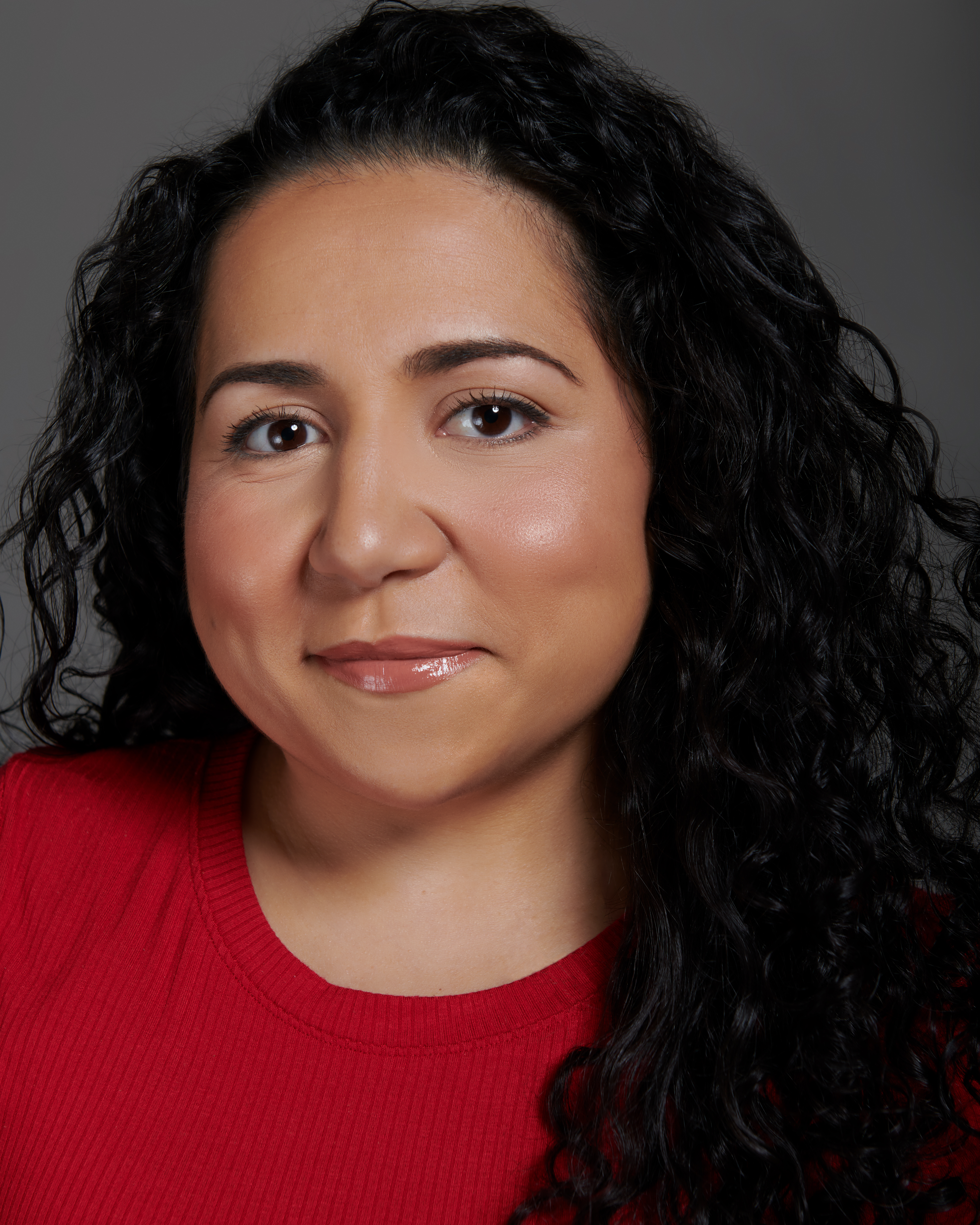
1. "Disability is O.K.!" (Openness and Kindness) is a disability awareness presentation with interactive theatre that can be modified for different age groups. Using books and resources as a launching point, sharing our story, showing our mobility devices and real life examples, we will create a safe space to ask questions, be curious and learn about difference. Students and facilitators will create good/bad scenarios about life where we learn what really matters... being OPEN and KIND. Both Sofiya Cheyenne and her friends have dwarfism and they have been sharing their story to teach youth all over New York! We bring an incredible amount of knowledge since both of our experiences are so unique.
Assembly style: can do the whole student body but must be separated based on age. Must be within a 3hr window of time. (Example- 9am-9:45 prek-1st grade / 10am-10:45am 2nd and 3rd grade / 11am-11:45am 4th and 5th grade)
Classroom style: smaller and more intimate conversations and play! Can do up to two to four 45 min sessions in a 4hr hour window. Must be within a 4hr window. (Example- 9am-9:45 Kindergarten / 10am-10:45am 3rd grade / 11am-11:45am 4th grade / 12-12:45pm 5th grade)
Workshops are contingent on size of class / age and AV equipment materials available.
2. "And SEEN" is a student centered theatre class that will teach disability culture and access, empathy, leadership and other important life skills.. Through improvisation, I AM Poems and theatrical expression we have created a hands-on approach to learning about the self and our impact in the world. Using exercises such improv, meaningful play, creative writing, and storytelling, we build self-esteem and confidence in our students so they can tackle the world like the incredible leaders they are! With empathy and empowerment at the center of this workshop the students will be SEEN in their craft, in their peers, and in themselves.
Workshops are subject to change based on age and size of group.
I can even adjust my lesson to the specific needs of students ( i.e. bullying, self awareness, social awareness, social/emotional skills, confidence, leadership, team building )
Weekly rate - $2,500 for four to five 1 hr sessions with the same classroom
Sofiya is a New York based multi-disciplinary performance artist, teaching artist, and disability advocate/consultant. She has appeared on television shows such as “At Home With Amy Sedaris” on TrueTV, “StartUP” on Netflix, and “Loudermilk” on AmazonPrime. She is passionate in her advocacy as her advisor roles in ADAptNYC 2030 Steering Committee, Access Council for ART NY and the Co-Chair of The Dwarf Artist Coalition of Little People of America. She has educated all school age youth about theater, disability culture and accessibility with her work at New Victory Theater, GirlBeHeard, EPIC Players and Queens Theater. Sofiya encourages the power of community, self-expression and storytelling. Her lessons are centered on themes of identity, and inclusive language and as a result, students build empathy for their friends and thinking through an anti-bullying lens. Sofiya believes engaging students about her disability and the use of “meaningful play” is the best way to bring up our future leaders of the world!! www.sofiyacheyenne.com
Caravan to Cairo
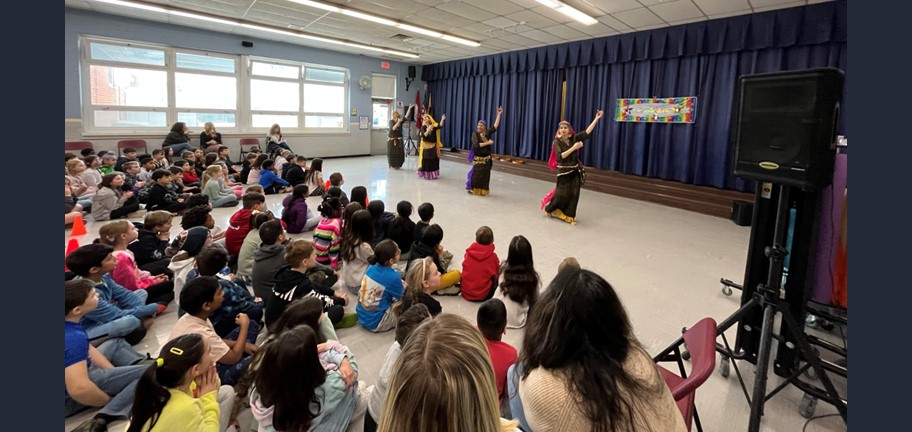
Caravan to Cairo transports you to the exotic realms of the Arabian Nights, bringing you authentic unique folkloric dances from North Africa to the Middle East. This delightful dance journey through the Near East, choreographed by Samara, one of today’s finest international performers of Middle Eastern dance, offers a diversity of engaging styles and rhythms, lavish, colorful costumes, and a charming story theater adaptation of a timeless Arabic folktale. A brief, participatory dancing instruction and a Q&A session round off the entertainment. This program can also provide artist workshops and residencies in addition to classroom teaching.